

Corporate Offices
Digital Experiences
Experience Centers
Experience Design
What To Consider When Bringing Your Sports Sales Experience Center Vision to Life

When professional sports teams face the challenge of selling premium seats, suites, and sponsorships for a new stadium or arena, they’re not just selling a product, they’re selling a vision of something that doesn’t yet exist. That’s where a Sales Experience Center becomes one of the most powerful tools in your arsenal.
Over the years at Advent, we’ve had the privilege of partnering with organizations like the Las Vegas A’s, LA Rams, LA Chargers, Inter Miami CF, and others to create these immersive environments. Through dozens of these projects, we’ve learned that success isn’t just about beautiful design or impressive technology. It’s about intentional planning, strategic decision-making, and understanding that every choice you make directly impacts sales velocity, buyer confidence, and long-term return.
If you’re considering a Sales Experience Center for your organization, here’s what you need to think through before breaking ground.
Location: Where Your Sales Center Lives Matters More Than You Think
The first major decision (and one that will influence everything that follows) is location. We’ve seen teams approach this in different ways, and there’s no one-size-fits-all answer.
Access trumps proximity. While it might seem logical to place your Sales Center near the future stadium site, we’ve found that easy accessibility for your target buyers often matters more. When the Las Vegas A’s selected the UnCommons for their Sales Experience Center, they weren’t choosing proximity to their stadium location, they were choosing access to the region’s most affluent prospective buyers.
Similarly, the LA Rams and Chargers selected the growing Silicon Beach neighborhood and Inter Miami chose Miami’s Design District. These weren’t arbitrary decisions. Each location tapped into existing consumer patterns and made it as frictionless as possible for high-value prospects to visit.
Think beyond the permanent footprint. One Sales Center doesn’t have to be your only touchpoint. Mobile or pop-up activations in high-traffic locations like airports or surrounding markets can extend your reach and build momentum beyond your flagship site.
When evaluating potential locations, we recommend prioritizing:
- Convenient transportation access – Strong transit connectivity and convenient parking eliminate barriers. Direct highway access was a key factor for multiple teams we’ve worked with.
- Popular destination areas – Choosing high-traffic, desirable neighborhoods boosts brand perception and drives exposure. You’re not just selling seats; you’re inviting fans into the full experience your future stadium will deliver.
- Quality surrounding amenities – Nearby dining and nightlife increase dwell time and foster pre- or post-visit engagement, especially if public hours are part of your strategy.
Premium arrival experience – Ease of arrival sets the tone for the entire customer journey. White-glove valet services worked beautifully for Inter Miami and the LA teams, while others have focused on thoughtful parking garage branding and directional signage.
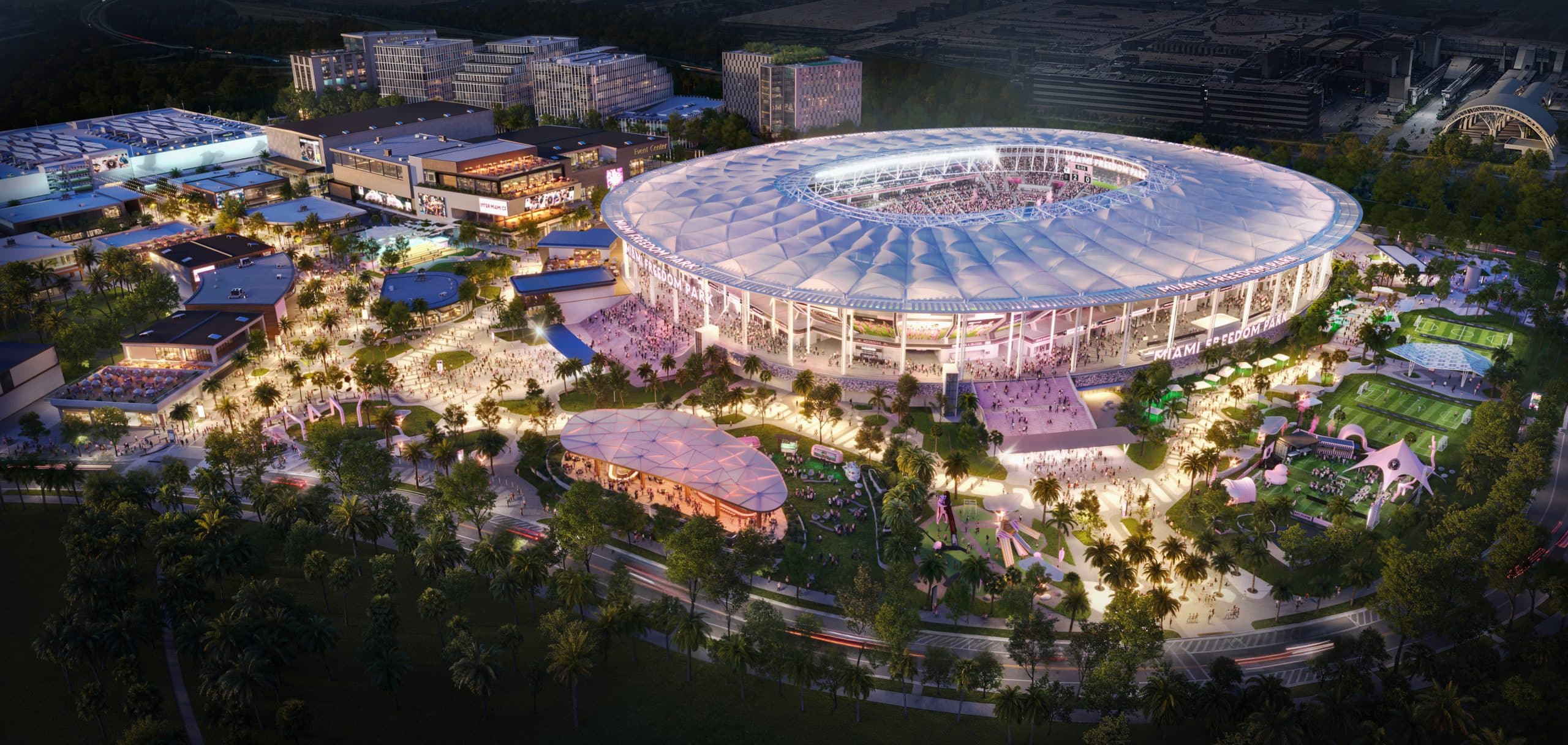
Choosing a Ground Floor vs. Upper-Level Space for Your Sales Experience Center: Key Trade-Offs
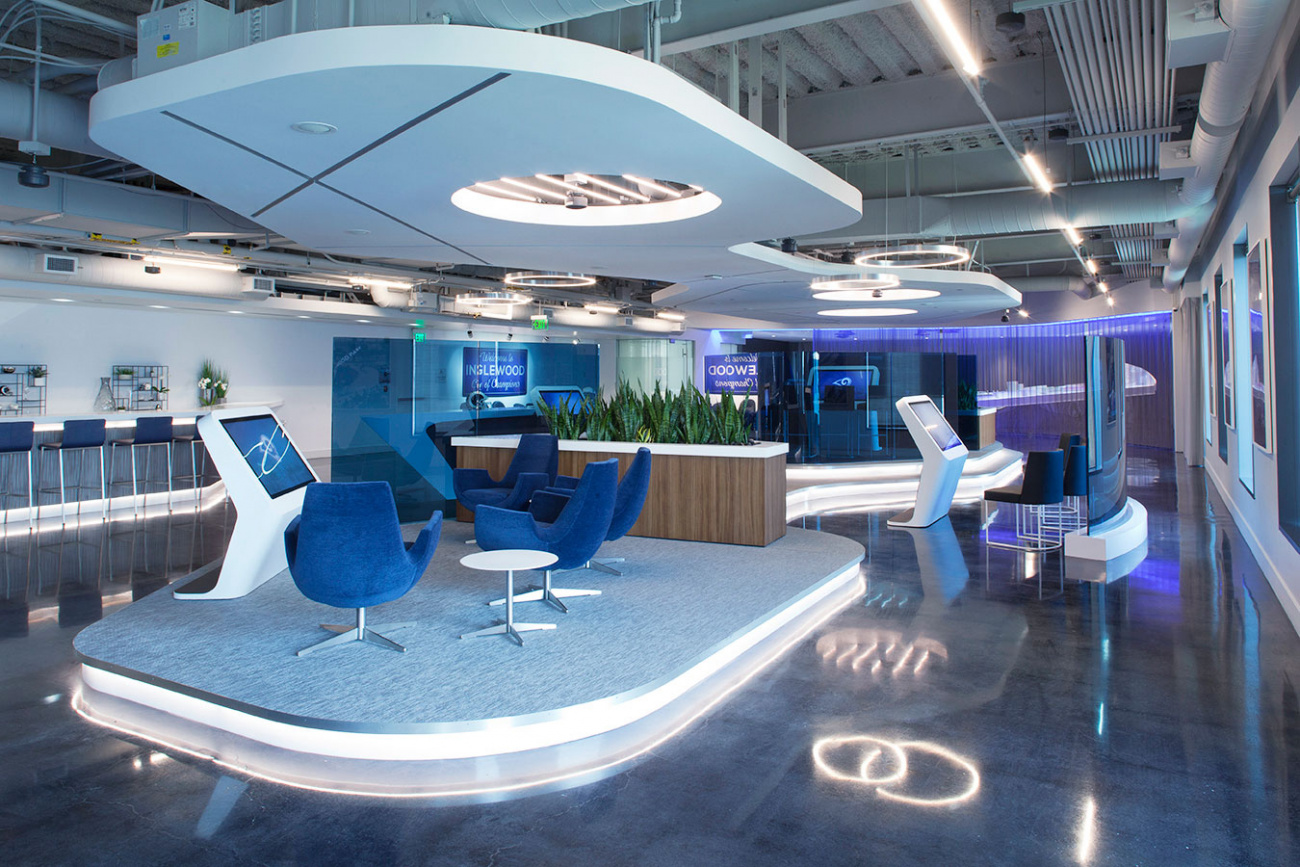
Ground-floor locations offer clear advantages: easier access, greater visibility, stronger street presence, and the opportunity for immediate emotional connection upon arrival. We typically recommend 20-40 feet of street frontage combined with external wayfinding to maximize visibility without compromising interior layout.
Upper-floor spaces can work well when they provide unique benefits like panoramic views, the SoFi Stadium Experience Center‘s rooftop lounge is a perfect example. However, they come with added complexity. Getting a massive stadium model to an upper floor, for instance, required us to coordinate a road closure and crane operation. Factor these logistics into your planning.
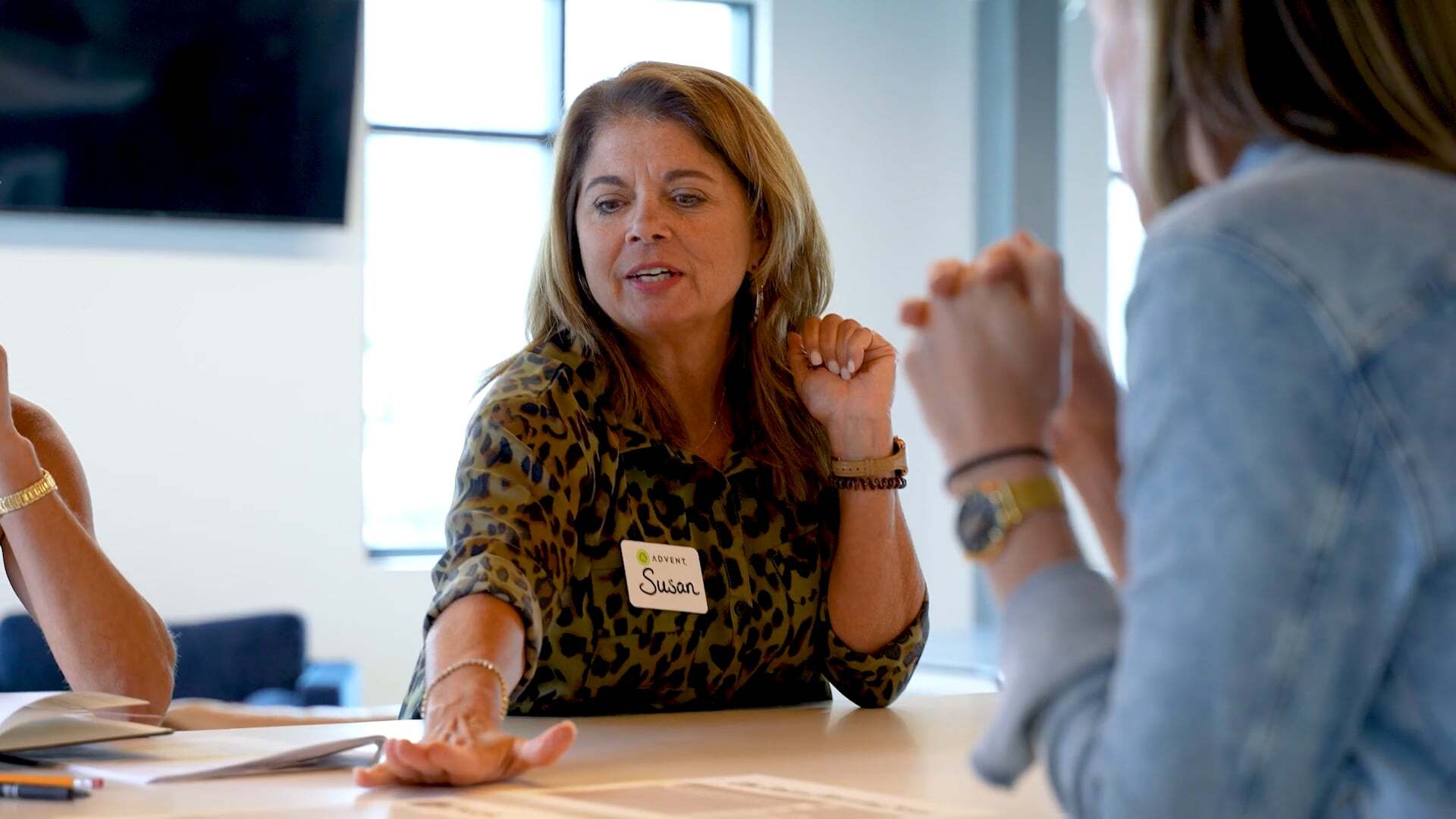
Building Your Sales Experience Center Team: Internal Leaders and Strategic Partners You Need at the Table
A Sales Experience Center isn’t a marketing initiative that lives in isolation. It’s a revenue-generating asset that touches every part of your organization.
Keep the leadership group focused. We’ve found that Sales Experience Centers benefit from a focused leadership group empowered to guide direction and maintain momentum. Too many voices can create paralysis. Our StoryMining and Sandbox exercises early in the process help align broader stakeholder input, enabling leadership to confidently guide decisions during later design stages.

Sales leadership must drive the journey. The sales journey should be intentionally designed under the guidance of internal sales leadership to create a natural, revenue-focused experience. When aligned with your target buyer demographics and existing sales cycle, this journey becomes a powerful accelerant.
Partner strategically. Early collaboration with internal marketing teams, technology partners like Channel 1, or high-value corporate partners can enhance the journey by providing tools, touchpoints, and story elements that reinforce your flow and drive buyer engagement.
Designing and Building Your Sales Experience Center: How to Maximize Speed, Flexibility, and Cost Control
In our experience, Sales Experience Centers are most successful when teams partner with a local design/build firm that can serve as both Architect of Record and General Contractor. Ideally, this is a tenant improvement (TI) firm experienced in fast-track, interior-focused projects—particularly one that also designed the space where your Sales Experience Center will be located.
This approach preserves three critical elements:
- Speed – You’re working against the clock to generate sales momentum
- Flexibility – Requirements and priorities will evolve during the process
- Cost control – Multiple contractors and coordination delays add unnecessary expense
A skilled design team can transform even modest spaces by telling your story through key touchpoints like hallways and elevator bays. We’ve proven this repeatedly. However, if you’re working with a shared lobby or entrance, coordinate with building management early to establish clear branding guidelines and effective directional signage.
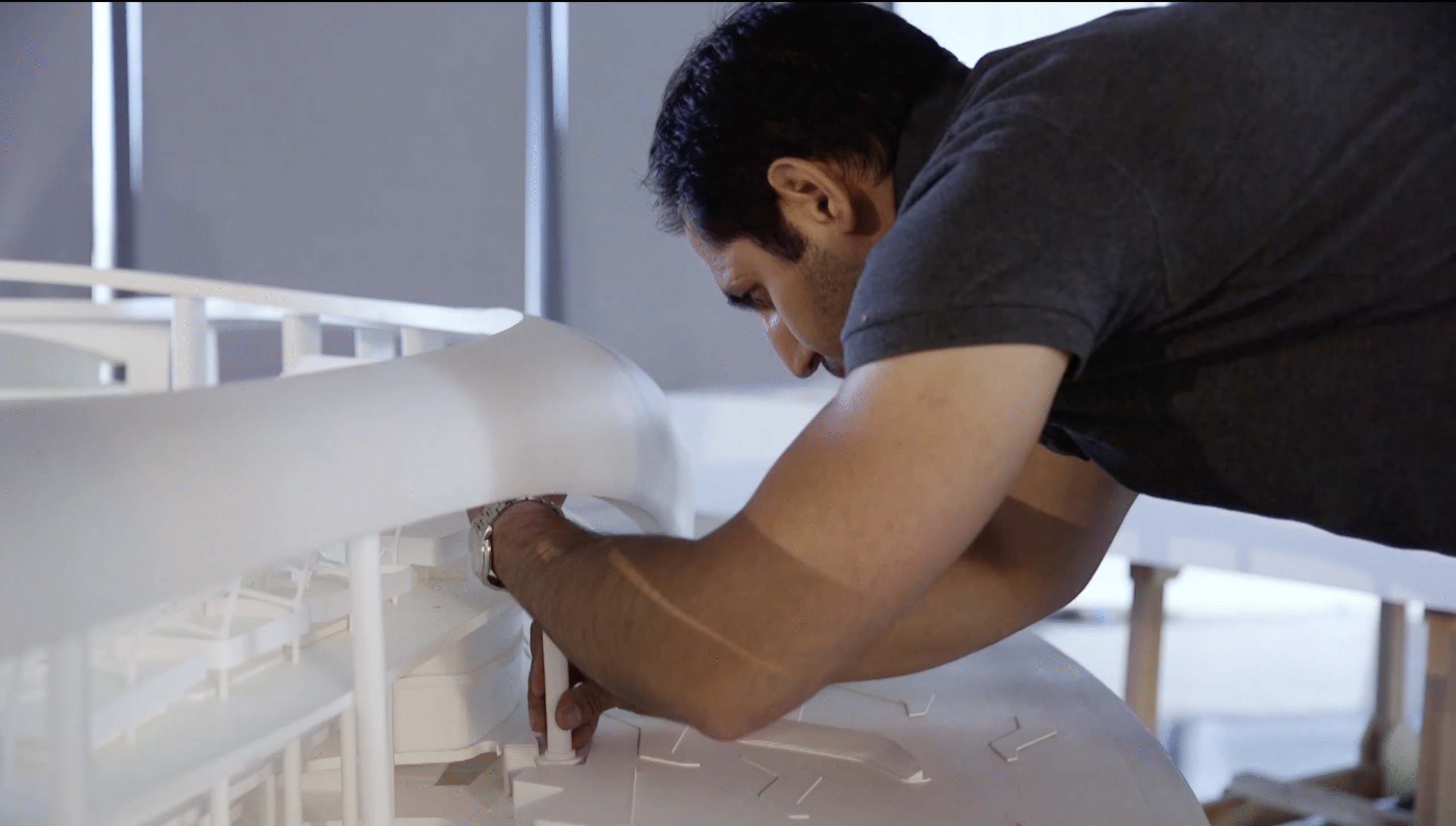
Sales Experience Center Timeline: When to Start and How Long the Process Takes
While timelines vary by scope and complexity, we find most Sales Experience Centers benefit from allotting nine to twelve months from initial strategy through opening. This allows adequate time for stakeholder alignment, design, content development, fabrication, and testing.
Beginning planning early is crucial. You’re not just designing a space. You’re developing content, coordinating with technology partners, aligning internal teams, and managing construction logistics that may include everything from electrical infrastructure to coordinating crane deliveries.
Designing Your Sales Experience Center for Multi-Use Events: Beyond 1:1 Sales Pitches
Here’s something many teams overlook initially: while 1:1 sales interactions are the core function, flexibility to host community, partner, or sponsor events maximizes engagement, reinforces brand presence, and extends the value of the space beyond individual sales.
Multi-use design ensures the center remains relevant and revenue-generating over time. Strong F&B infrastructure supports this range of use cases, from casual hospitality to hosted events. When thoughtfully integrated, these zones reduce resistance between consumers and your sales team by creating a relaxed, welcoming environment.
The Star at the Dallas Cowboys is a prime example of how multi-functionality drives return. The Cowboys’ sales environment was designed not only for premium sales interactions, but also to host sponsor meetings, alumni events, and community gatherings that all reinforce the brand’s larger ecosystem. The integration of hospitality-forward design, flexible seating zones, and embedded digital storytelling tools allows every event to become a touchpoint that strengthens loyalty and fuels revenue.
Secondary amenities like rooftops or terraces can add value, especially when events are central to your strategy. However, shared spaces often limit branding and experience opportunities, so consider any added costs associated with their use.
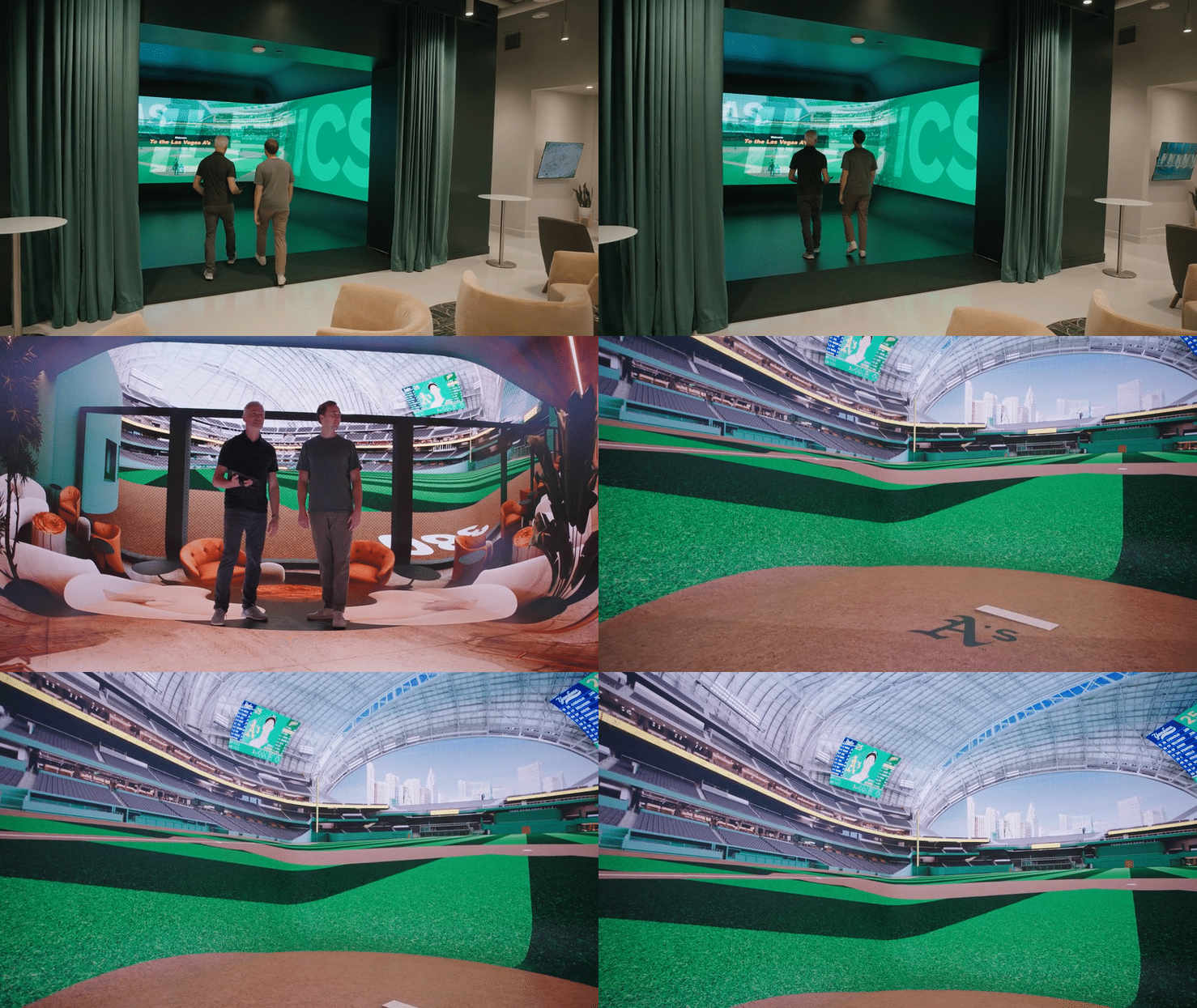
Digital Content Inside Your Sales Experience Center: The Flexible Foundation of the Sales Journey
Digital experiences add critical flexibility to your sales journey and empower sales teams to tailor each pitch to individual buyers. Your digital content should support multiple functions:
- Utility sales tools and presentation content – Giving your team what they need to close
- Seat and suite views tied directly to salable inventory – Helping buyers visualize exactly what they’re purchasing
- Experiential elements – Hype, branding, storytelling, and architectural visualization that bring your future venue to life
Defining requirements early helps clarify which components are delivered by internal teams, developed with established partners like Channel 1 or 3D Digital Venue, or provided directly by partners like Advent. In all cases, content can be fully integrated into a single, holistic system that supports your full sales journey.
Budgeting for Your Sales Experience Center: Build Costs, Operations, and Long-Term Impact
Costs vary based on size, content depth, technology, and intended longevity. A well-planned investment balances upfront capital with long-term flexibility, reuse potential, and sales performance expectations.
Beyond build costs, factor in ongoing financial requirements:
- Space rental fees
- Security requirements (where applicable)
- Front desk or guest experience associates
- Monitoring and technology support
- Event staff and rentals
Don’t let these operational costs surprise you. They’re essential to keeping your center functioning as the revenue-generating asset it’s designed to be.
Building Anticipation for Your Sales Experience Center: Using the Construction Phase as Marketing
Don’t wait until opening day to start generating buzz. Strategic hype during construction can drive early engagement and momentum.
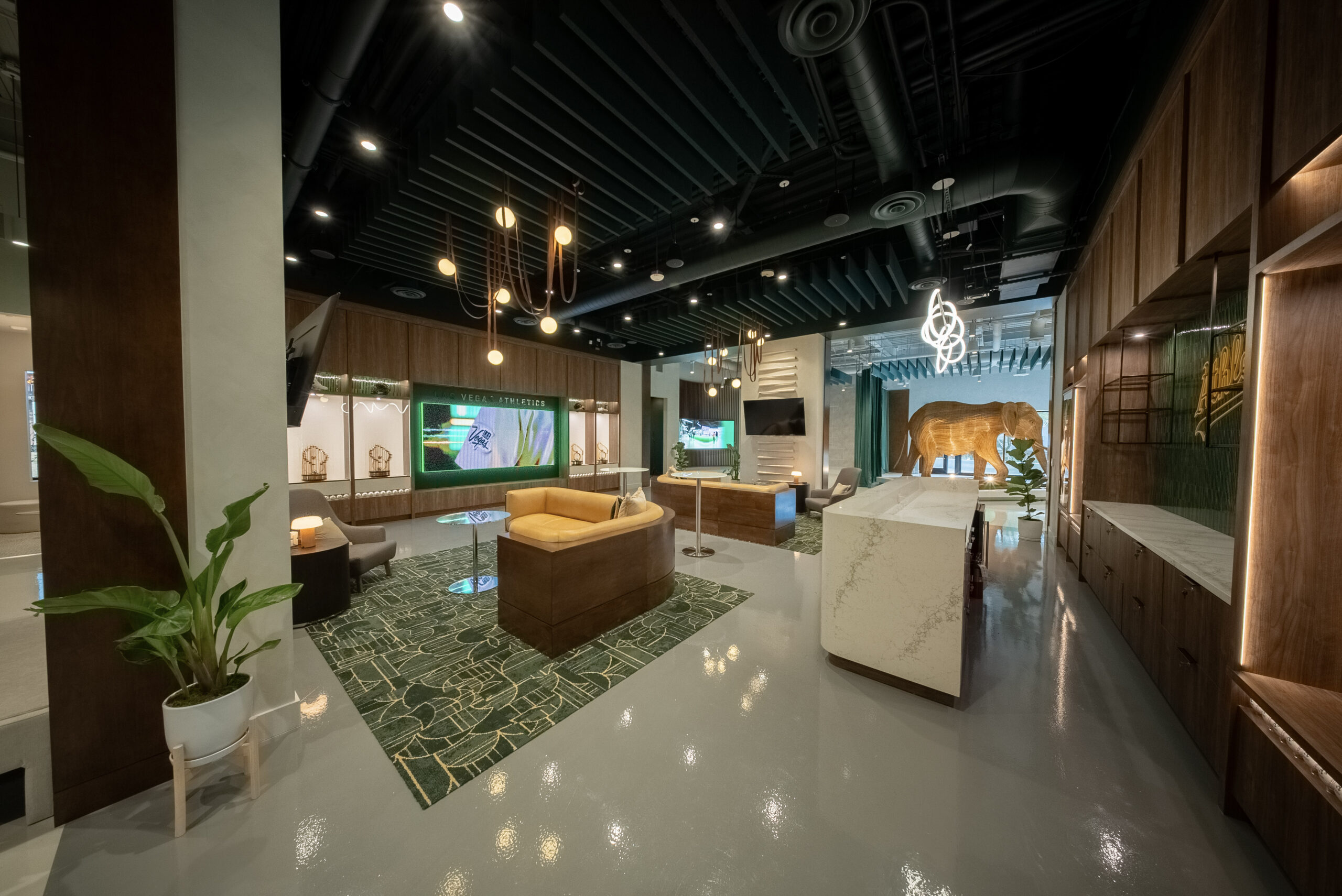
While the A’s Ballpark Experience Center was under construction, the open nature of the campus naturally attracted visitors eager to see progress, which created early buzz. We worked hand-in-hand with their team to create thoughtful messaging that turned curiosity into excitement and early touchpoints with potential buyers.
Build anticipation strategically, curiosity can become one of your most powerful marketing assets.
Operational Handoff for Your Sales Experience Center: Transitioning from Construction to Revenue Generation
Early planning for the handoff ensures your Sales Center opens smoothly and functions as intended. Coordinate construction completion with operational readiness, staff training, and technology setup to minimize delays.
Amplify awareness, drive foot traffic, and enhance the center’s visibility with buyers and partners through strategic PR and media engagement. Coordinating announcements, soft openings, and special activations ensures consistent messaging that reinforces your brand and sales objectives.
Staffing considerations should align with your center’s purpose and expected traffic. Costs include both full-time personnel for daily operations and temporary or event-specific staff in accordance with local law and league requirements.
Clear roles and responsibilities around ongoing technology support are critical to preventing service gaps. As part of our Sales Center partnerships, we provide hands-on system training prior to opening and continue to support clients through an annual Service Level Agreement (SLA), ensuring the center remains fully operational and effective over time.
Planning Your Sales Experience Center’s Next Life After the Initial Sales Cycle
Here’s something that separates good Sales Experience Centers from great ones: designing for longevity from day one.
The A’s will redeploy technology and design elements into their new stadium to extend connection with their fanbase. One of our clients partnered with a nonprofit to leverage donations and engage local schools after the space’s retirement. Other teams have converted centers into halls of fame or year-round premium experiences.
Planning for sustainability from day one allows these strategies to evolve over time, ensuring your investment continues generating value long after the last premium seat is sold.

Key Takeaways: How a Well-Planned Sales Experience Center Accelerates Revenue and ROI
A Sales Experience Center is more than a showroom, it’s the physical expression of your project’s vision, story, and future impact. When intentional planning, clear leadership alignment, and sustained engagement come together, these spaces become powerful revenue-generating assets that accelerate sales velocity and build lasting buyer confidence.
At Advent, we’ve seen firsthand how the right approach transforms not just sales numbers, but the entire trajectory of a project. The teams that succeed are the ones who recognize that every decision, from location selection to operational planning, directly influences their return on investment.
If you’re considering a Sales Experience Center for your organization, these considerations should guide your early planning. The investment in getting them right pays dividends throughout your entire sales cycle and beyond.
Ready to explore how a Sales Experience Center could accelerate your sales trajectory?

At Advent, we specialize in creating integrated fan experiences that honor legacy while embracing innovation. Our team combines expertise in physical design, digital integration, and sports culture to build recognition spaces that move people; emotionally, physically, and digitally. Let’s create your next chapter together.