

Pro Sports
Sponsorship Activation
Striders, Strollers, and Studiers: Rethinking The Fan Journey

Generating 146 hours of continuous, voluntary fan engagement (yes, the equivalent of nearly 54 full baseball games), Fluor Field proved the power of the Value Intersection. —that sweet spot where team culture, brand narrative, and genuine fan behavior overlap. Milliken Plaza showed us what happens when a physical footprint brings those forces together into a year-round destination.
But while the entire framework creates the blueprint, I want to zero in on one specific pillar of that equation: understanding and designing for fan behavior.
On any given matchday or event, people move through concourses, lobbies, and premium clubs at completely different speeds with completely different intentions. The principle behind designing these environments isn’t limited to stadiums, it’s a design framework that scales across all sports venues, club spaces, and national headquarters. The most compelling environments aren’t one-size-fits-all; they are programmed specifically to engage fans moving at different speeds.
At Advent, we operationalize fan behavior by layering environments for three distinct mindsets: Striders, Strollers, and Studiers.
To show how the fan behavior pillar comes to life in the physical environment, let’s look at one of my favorite projects the PGA of America Headquarters in Frisco as an example for each mindset at work:
1. Build High-Impact “Strider” Inventory for Scalable Reach
Picture a visitor walking through the PGA of America Headquarters on a tight schedule on their way to an event, drink in one hand and phone in the other. They aren’t going to step into an interactive booth or read an archival wall, but as they round a high-traffic lobby corner, they come face-to-face with a 12-foot, mirror-finish championship trophy installation framed by bold PGA iconography. They stop for four seconds, snap a quick photo, post it to their story, and keep moving.
That is Strider design at work. Striders are on a mission. They’re walking quickly through a lobby, navigating concourses, or heading for the exits. They aren’t going to stop for long-form content, but they will pause for a shareable moment that instantly connects them to the game.
For this mindset, spatial design shines when it is bold, fast, and visually striking. Think larger-than-life installations and iconic photo backdrops that give immediate recognition and social amplification without creating foot-traffic bottlenecks.

2. Create “Stroller” Inventory to Drive Dwell Time and Quantifiable Interaction
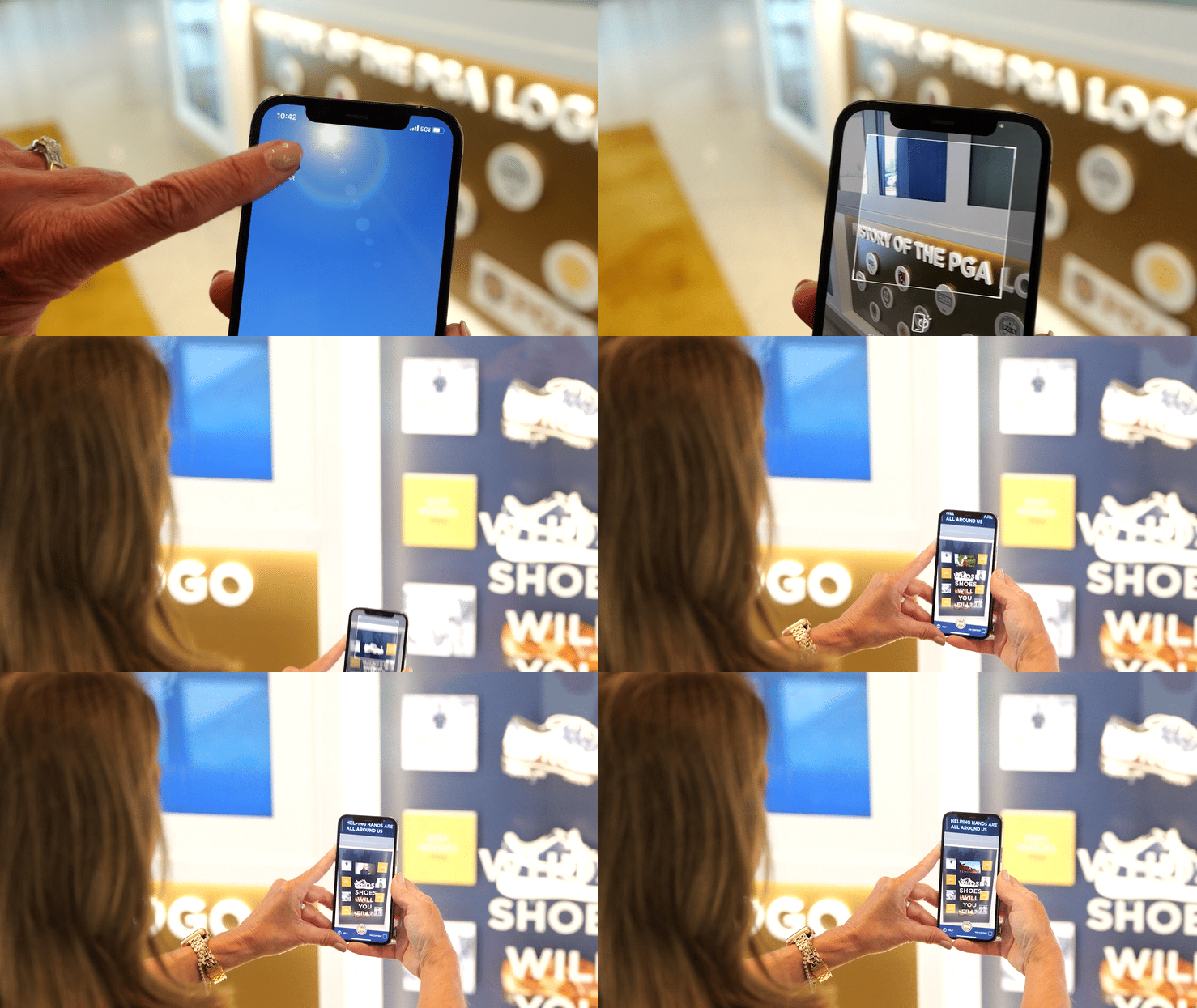
Imagine two golf fans exploring the campus for the first time, taking it all in with coffees in hand. They aren’t rushing, but they aren’t looking to stand still and read a wall of text either. As they move through the PGA Frisco property, an AR “easter egg” catches their eye. They pull out their phones and spend six minutes unlocking augmented chipping green layouts and major moment replays before continuing their walk.
That interactive moment bridges the gap for Strollers. Unlike Striders, Strollers are in no rush. They are open to discovery, provided the touchpoint feels natural and inviting.
This is where you design for dwell time. Gamified touch points, physical discovery tools, and responsive digital displays transform casual explorers into active participants, trading a brief glance for several minutes of memorable engagement.
3. Design “Studier” Inventory for Deeper Storytelling
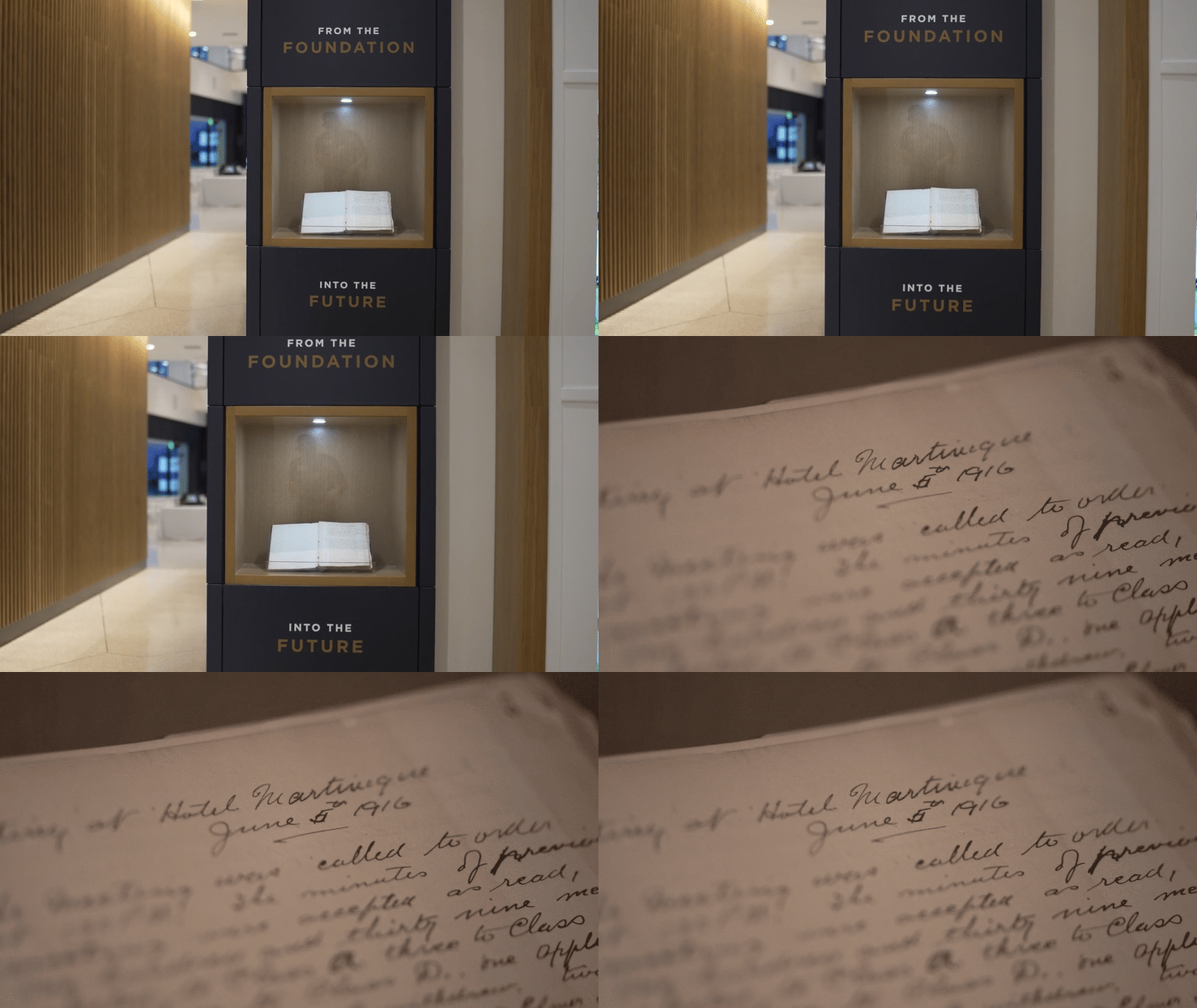
Picture a lifelong golf enthusiast who arrives early to an event or meeting to explore the PGA headquarters. They lean in close to examine a display case holding a historic, hand-carved Scots driver, carefully reading the timeline wall detailing the evolution of championship play. They linger for ten minutes, absorbing every detail, taking in how a century-long legacy in precision engineering mirrors the craftsmanship of the game itself.
That deep level of focus defines the Studier mindset. Studiers are the deep-divers. They’re the golf purists, history buffs, and curious visitors who want to read every display, learn the lineage, and absorb every detail. They move slowly, look closely, and actively seek out depth.
This is where physical space carries the heaviest emotional weight—building deep trust, showcasing values, and cementing legacy.
4. Turn One Space into Multi-Mindset Destinations
Designing for three distinct speeds doesn’t require three separate rooms. The magic happens when static artifacts and responsive digital tools layer into a single footprint to engage every mindset at once.
We put this directly to work right at the main entrance of the PGA of America Headquarters. Instead of forcing visitors into separate zones, a single entry footprint combines three distinct touchpoints: a mirror-finish trophy case for Striders, an AR easter egg icon for Strollers, and a high-contrast history wall for Studiers. The space serves all three movement speeds concurrently without breaking up the floor plan or blocking circulation.
Check it out in the video below:
The Advent Takeaway
Designing intentionally for Striders, Strollers, and Studiers ensures every square foot works harder, expanding storytelling capacity and giving every visitor an experience that feels made just for them.
Once you map and understand how people move through a venue, you can layer in the other pillars of the Value Intersection to build a complete anchor destination.
Looking to better understand your space’s target audience? Let’s connect.

Written by Kat Fincher, Senior Client Engagement Manager
For over 25 years, Advent has been creating emotionally resonant experiences for leading brands including AT&T, Fanatics, the Dallas Cowboys, and Stanford University. Our proprietary StoryMining methodology ensures that every project starts with the story, not the technology.