

Experience Design
Pro Sports
Sponsorship Activation
Technology
54 Games of Proof: How Milliken and the Greenville Drive Built a Sponsorship Activation That Actually Works
The Greenville Drive just had a good month. Actually, they had a fantastic month.
In September, Sports Business Journal named the Greenville-Spartanburg market the No. 1 minor league sports market in the country for 2026, the first time the region has topped SBJ’s rankings since the list began in 2005. A few days earlier, the Drive wrapped their own season having led the entire South Atlantic League in attendance for the seventh consecutive year.
That kind of success does not happen by accident. Instead, it is the direct result of a front office that has spent two decades building Fluor Field into a destination, not just a ballpark.
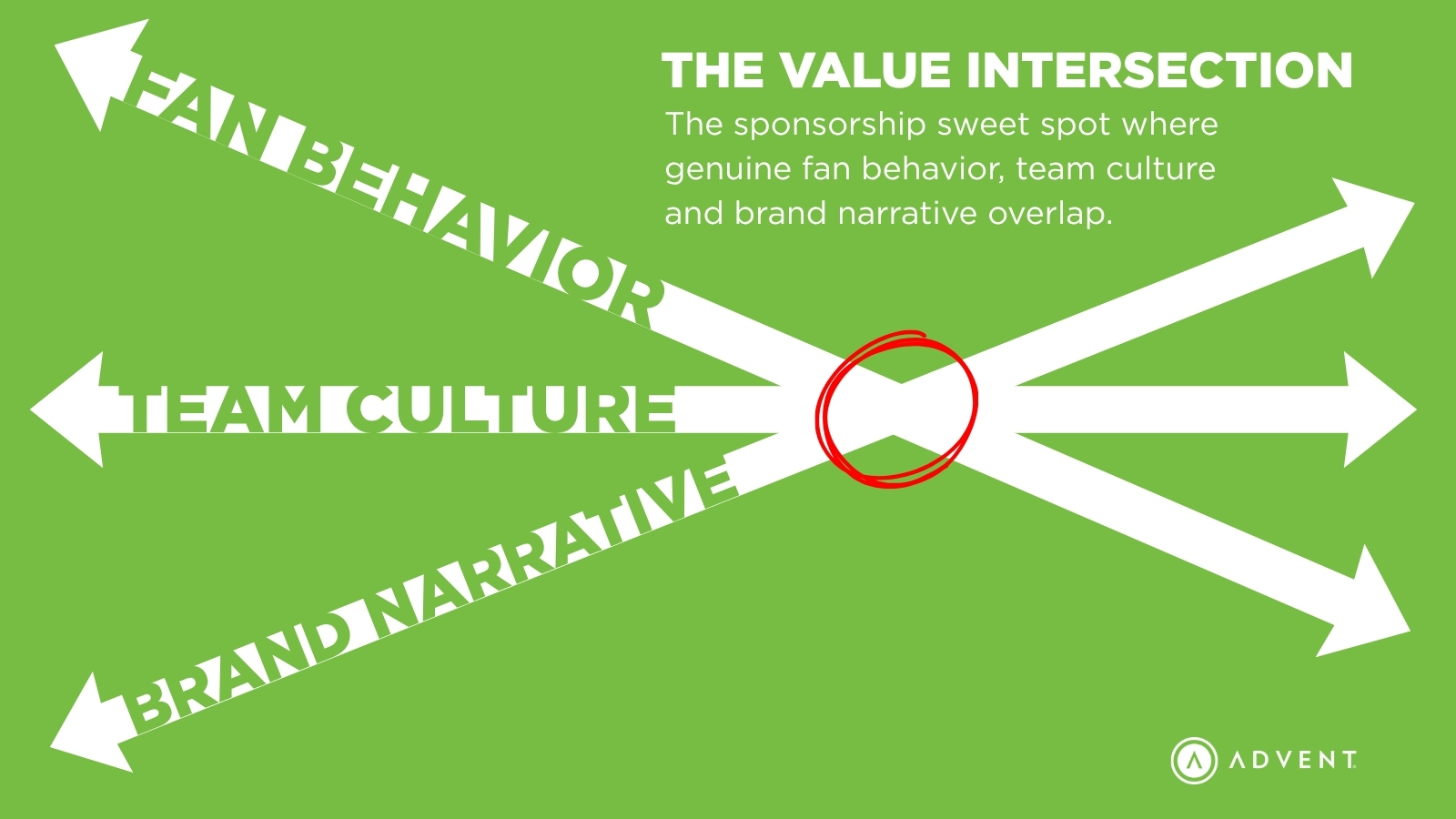
Back in August, I introduced you to the idea of the value intersection, that sweet spot where team culture, brand narrative, and genuine fan behavior all overlap. One of the examples I pointed to was Milliken Plaza, Advent’s small contribution to the Greenville Drive’s larger mission of turning Fluor Field into a true sports and entertainment destination.
Now that their season has wrapped, I wanted to come back and dig into the value of this experience, because the numbers make the case better than I ever could.
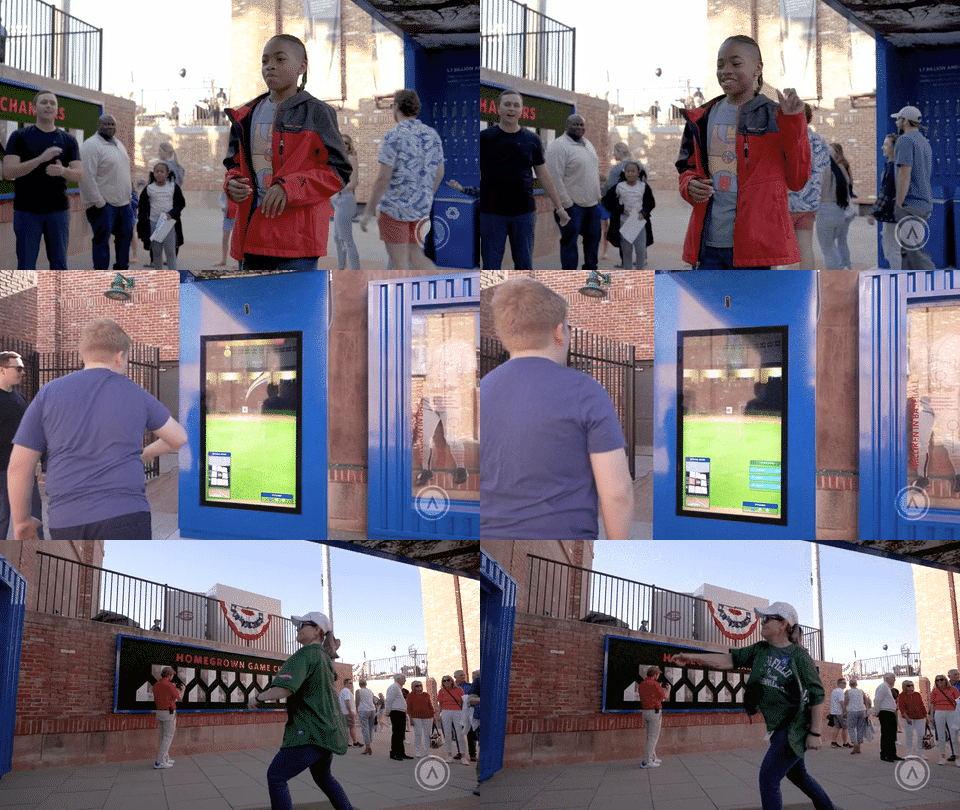
At Milliken Plaza, fans step up to the Milliken Game Changer Pitching Experience, test their arm, and get a customized digital baseball card sent straight to their phone. It is simple. It is fun. And according to end of season data from the activation, shared with us courtesy of the Greenville Drive front office, it seriously caught on with their fans. More than 7,500 of them stepped onto the mound across the 2026 season.
Here is the quick math. Add up the play time from every single game date and you get 8,736 minutes, or about 146 hours, of fans pitching. A typical pro baseball game runs about two hours and forty minutes. Divide it out, and that is more than 54 full baseball games worth of engagement. That is not 54 games of people glancing at a logo in the outfield. That is 54 games of fans actively choosing to spend their time with a sponsor’s activation, one pitch at a time.
So let’s go back to that value intersection I talked about, and this time, let’s look at it as a real case study instead of a concept. A great sponsorship activation has to work for three audiences at once: the team, the sponsor, and the fan. Here is what the actual numbers show for each one.
For the Team: A Business Outcome Beyond Static Logo Exposure
Greenville Drive did not need more static logo exposure around the ballpark. What they needed was a reason for Milliken Plaza to feel like a destination, somewhere fans actually wanted to go, and an experience that increased dwell time within the ballpark.
An interactive experience that draws a crowd does exactly that. It gives the team a living, breathing plaza instead of a stretch of open space with a logo on it, and it gives fans one more reason to show up early and stay engaged with the ballpark experience.
For the Sponsor: Measurable Sponsorship Activation ROI
This is where the numbers really work in Milliken’s favor.
Milliken’s goals here were never just about visibility. They wanted a genuine connection to the community and a platform to increase brand recognition in an unobtrusive, effective way. A logo on a wall alone cannot do that. But 7,500 individual fans choosing to interact with the Milliken brand, by name, for real time throughout an entire season? That is measurable brand engagement at a scale a static sign could never touch.
Fifty four games worth of interactivity is not an impression. It is a relationship. And if you are building your own activation ROI model, this is exactly the kind of KPI worth putting on the dashboard: total engagement time and total unique participants, not just impressions or logo visibility.
For the Fan: Genuine Engagement, Not a Forced Moment
Here are the two things I love most about the Milliken Plaza pitching experience:
- Nobody was required to play. There was no forced sponsor moment or scripted game presentation interaction. Fans chose this, over and over, all season long, because it was genuinely fun. They got to test their arm, feel a little bit like a pro for thirty seconds, and walk away with a shareable card that had their name on it.
- The pitching experience was exactly in line with the experience Greenville Drive fans were already coming to Fluor Field for – that is, baseball. When we talk about moving people with experience design, this is what we mean. The pitching machine at Milliken Plaza was intended to capitalize on the experiential goals of each and every fan who attends a home game, and delivered a much more authentic, engaging destination for Greenville Drive fans as a result.
That is the difference between a sponsor touchpoint fans tune out and one they intentionally seek out.
The Advent Takeaway
Milliken Plaza is proof that the value intersection is not a marketing framework we made up to sound smart. When a sponsor activation genuinely serves the team’s need for a destination, the sponsor’s need for real engagement, and the fan’s desire for a memorable moment, the results show up in the data. 54 games worth of usage and 7,500 fans is what happens when a sponsorship stops chasing impressions and starts building an experience people actually want.
Curious what your value intersection could look like? Let’s talk.

Written by Kat Fincher, Senior Client Engagement Manager
For over 25 years, Advent has been creating emotionally resonant experiences for leading brands including AT&T, Fanatics, the Dallas Cowboys, and Stanford University. Our proprietary StoryMining methodology ensures that every project starts with the story, not the technology.