

Experience Design
Pro Sports
Your Pro Sports Sales Center Looks Nice, But Does It CARE? How to Close More Deals With Four Simple Questions
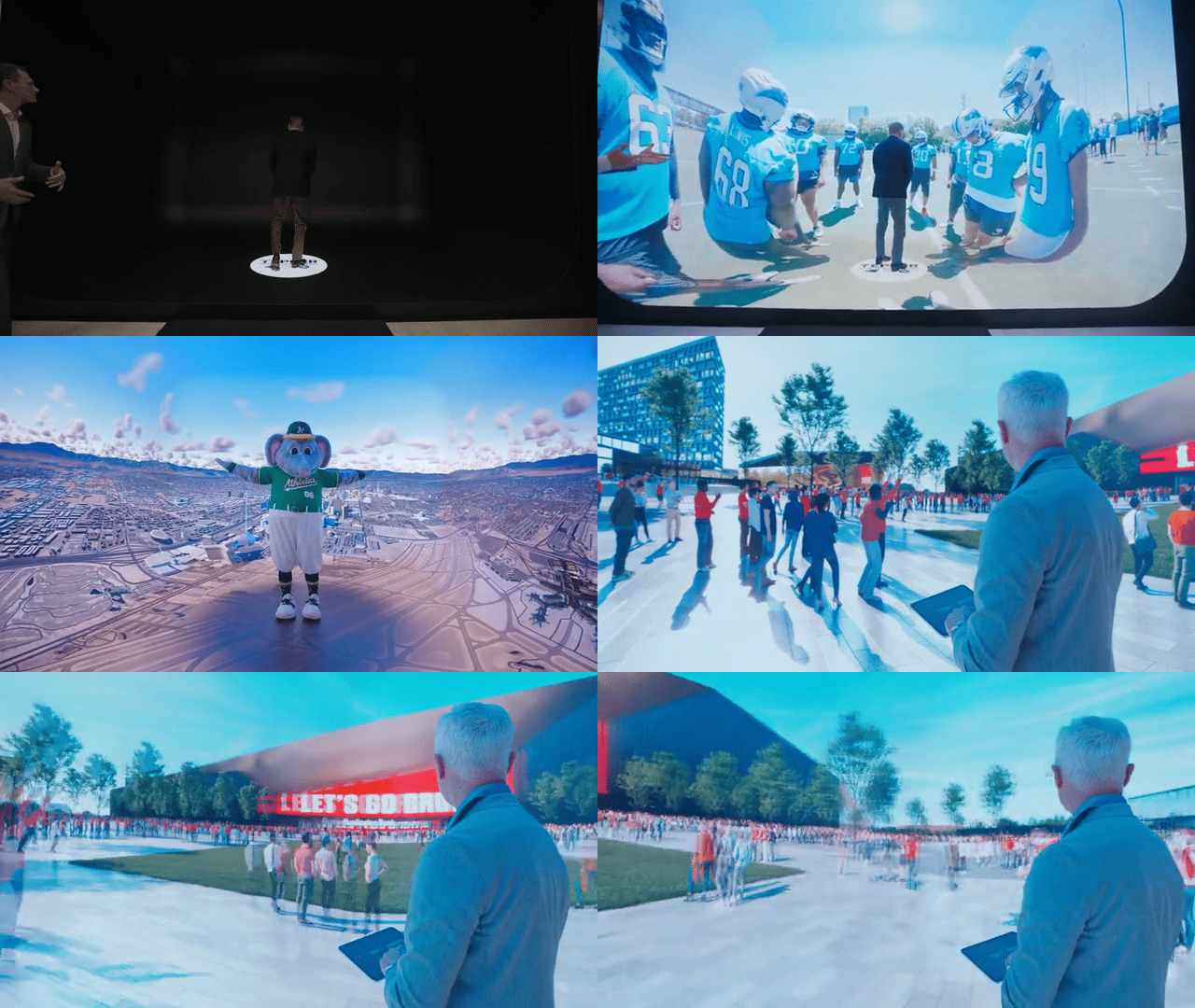
Every professional sports sales center looks good in a walkthrough. The lighting is just right, the technology is new and impressive, the finishes are polished. But that’s not the same as working. A sales center’s actual job isn’t to impress a guest for twenty minutes, it’s to get them to a “yes” before they’ve even sat down to talk numbers. Plenty of beautifully-designed spaces never manage that.
At Advent, we run every project through the same lens: CARE. Captivate, Amplify, Resonate, Empower. It’s the framework behind everything we build, and it doubles as the fastest way to diagnose whether a sales center is actually doing its job or just looking the part.
Here’s the part most people get wrong about the framework: CARE isn’t four steps you check off in order, welcome, then tour, then close, then follow-up. It’s not a checklist. It’s four things happening at once, in the same room, often in the same moment, like a band where everyone’s playing together instead of taking turns.
So instead of asking “did we hit all four stages by the time the tour ends,” ask a harder question: in any given five minutes inside your sales center, are all four of these actually happening together?
Here’s how to run your sales center through the CARE framework:
Captivate: Does the room break the guest’s expectations the moment they walk in?
Most sales centers open the same way: a handshake, a lobby, a slow build toward the impressive part. That’s not captivating, that’s a warm-up.
At Tepper Sports & Entertainment’s MoMINTum Experience Center in Charlotte, North Carolina, the goal isn’t to ease a guest into the pitch. It’s to captivate them before they’ve had time to think.
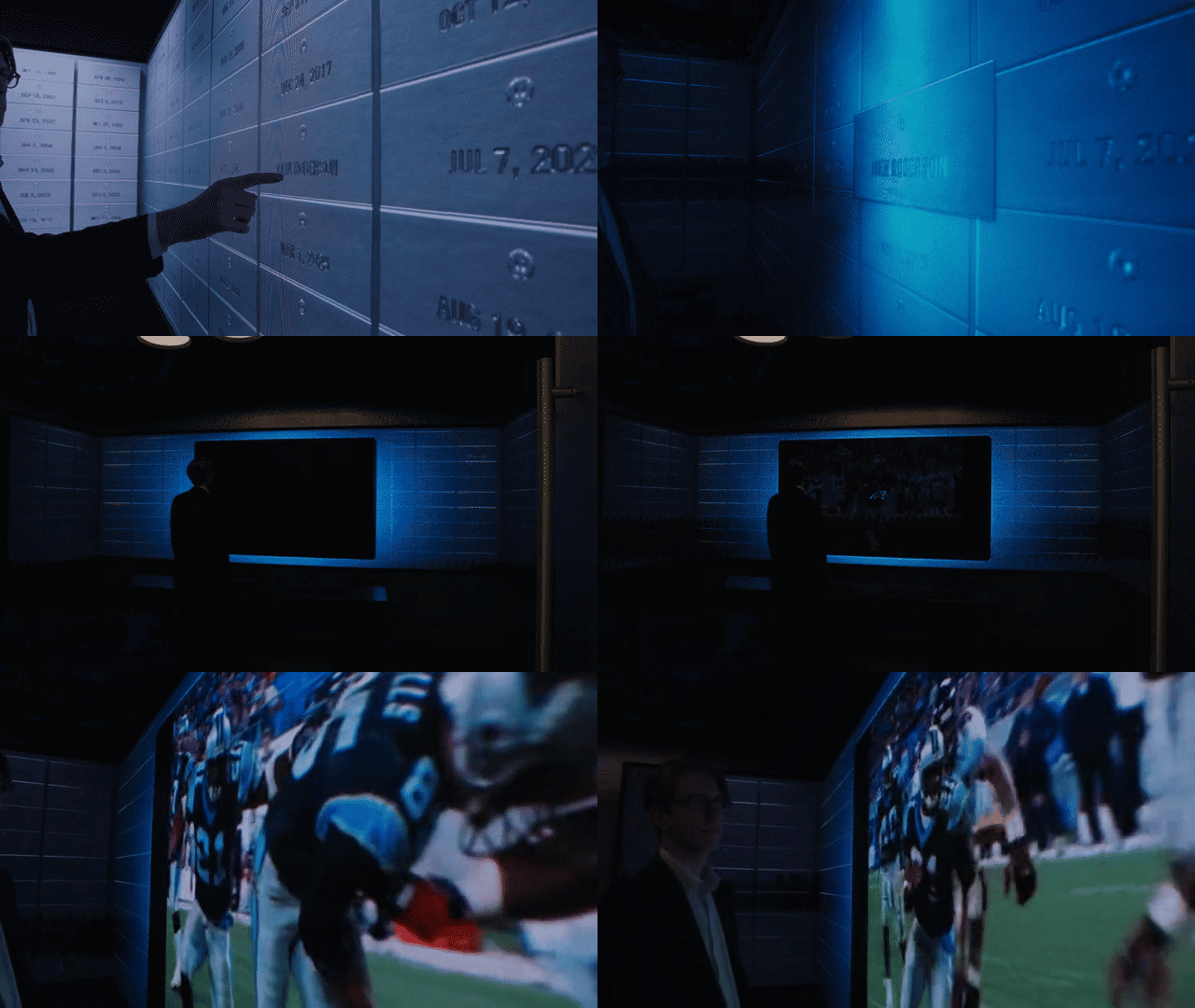
The journey starts small and personal. A lobby screen greets each visitor, then leads them directly into the Memory Vault, a space built around Tepper’s own trove of CRM data. Guests aren’t shown a generic highlight reel, they unlock a personalized one, tied to the actual games and moments they’ve attended at Bank of America Stadium. The vault imagery itself is a deliberate nod to the Bank of America naming partnership, and a reminder that decades of memories are already banked with the Carolina Panthers and Charlotte FC.
From there, guests move into the Hype Theater. A curved LED screen spanning 230 square feet and rendering 14 million pixels, the largest single display Advent has ever installed, wraps the room in motion and sound. It’s breathtaking, it’s heart pounding, and it’s only the beginning of the tour.
That combination, personal first, then massive, is what makes Captivate work. The Memory Vault earns emotional buy-in by making the space about the guest. The Hype Theater earns physical buy-in by overwhelming the senses and creating a stadium-like atmosphere in real time. By the time a prospect reaches the next room, they’re not being sold to anymore. They’re already leaning in.
Amplify: Can a guest see themselves as a part of your team’s history, not just a spectator of it?
If Captivate breaks a prospect out of autopilot, Amplify gets them to start seeing themselves inside the story you’re telling about your organization or team. Most organizations treat this historical, storytelling component as strictly something to display, think trophies behind glass or a timeline on the wall. Advent’s approach is different in that it makes your history inclusive to the visitor.
Tepper’s Memory Vault works here too (remember, CARE is not a step-by-step process, it’s a simultaneous checklist), but there are even more ways you can amplify your team’s history.
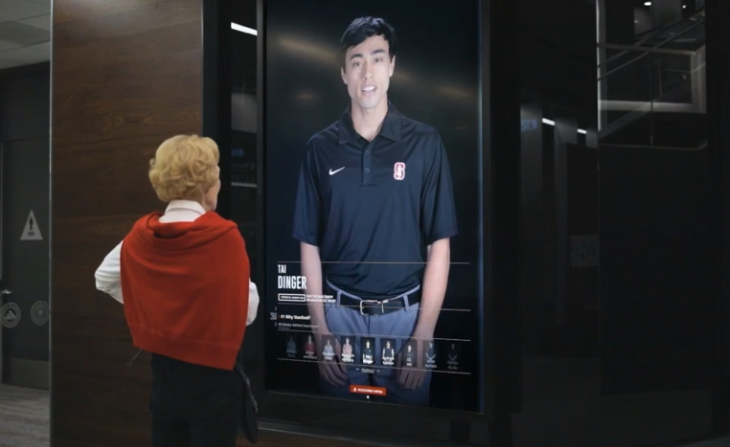
At Stanford’s Home of Champions, Advent built something called Portrait of a Champion. Here’s the twist: it wasn’t about championships or trophy counts. Vertical, life-sized screens feature interactive video testimonials from Stanford legends, Olympian Ogonna Nnamani, water polo champion and astronaut Steve Smith, and golfer Maverick McNealy among them. One student said the moment it clicked wasn’t a highlight or a stat. It was watching an Olympic athlete admit they’d struggled with a calculus exam too.
Advent has refined this technology for over a decade, and it’s most recently found a new home in its first sales center environment with the Carolina Panthers and Charlotte FC, where guests call up more than eighty Panthers legends, Charlotte FC players, and community leaders.
That’s the whole idea behind Amplify: your team’s story is important, but in a sales setting, it only matters if your prospect can see themselves inside it.
Resonate: Would you be able to tell that your guest has already said yes without asking?
Amplify gets a guest to see themselves in your history. Resonate is when that recognition becomes tangible for your prospect.
In our favorite story from the A’s Ballpark Experience Center in Vegas, one couple stood inside the Immersive Cube® looking out at the view from their future seats. The wife turned to her husband and nodded. No comment, no explanation needed. The future had stopped being conceptual and started feeling like home. The experience was resonating.
That’s the bar Advent strives for every time we design a sales center. A scale model, a rendering or a brochure can give you facts and figures, they can answer questions or narrow the imagination gap, but none of those things make anyone feel the future, or more specifically, their place in it.
If nobody in your sales center has ever gone quiet, teared up, or reached for someone’s hand instinctively, that’s not a technology problem. It’s a resonance problem.
Empower: Does the guest shape their own experience, or just watch you present it?
Resonate is the reaction. Empower is who’s driving. A guest who sits through a fixed sequence, welcome video, then tour, then pitch, is an audience. A guest whose own questions shape what they get out of the experience is an active participant. That distinction alone is often what separates a pitch from a conversation and often gets your guest closer to a yes.
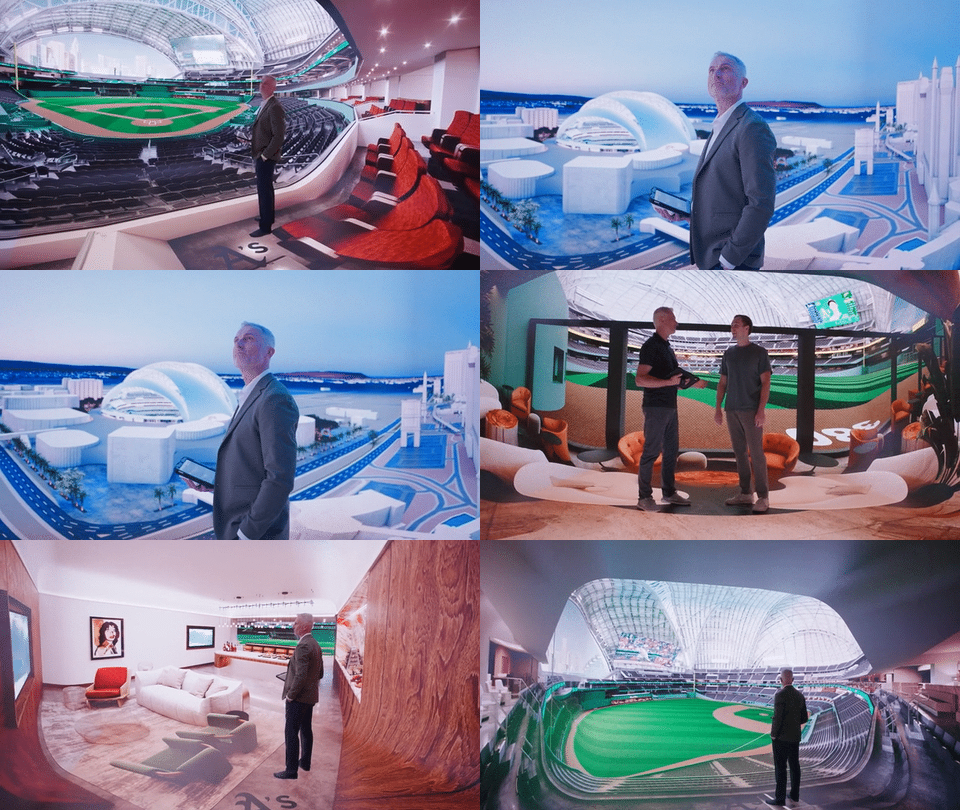
Inside the Immersive Cube®, a guest doesn’t just watch a preset flythrough. They ask questions. What does the ballpark look like from the Vegas strip? What’s the view from my seat going to be? How do I get from the parking lot to the stadium? How do I get home after the game?
A sales rep, utilizing the Advent Operating System™ from an iPad, calls up each rendering in response, and the transition is so fast it feels less like being shown something and more like the room is answering your guest directly. The guest never touches a screen, but they’re still the one steering.
That’s the whole idea behind Empower: the guest doesn’t need to build anything themselves to feel ownership. They just need to know the next moment depends on what they ask for.
The Advent Takeaway
The CARE framework is a powerful way of evaluating your sales center. It isn’t a step-by-step process, but rather, a simultaneous checklist you should always be referring to and adjusting toward.
Stop asking yourself the yes or no question: did we close a sale? Instead ask yourself if your guests feel captivated, if your story has been correctly amplified, if the story resonates with your guest and makes them feel empowered.
If you’re not sure whether your sales center is checking all four boxes, that’s a problem we’ve been helping to solve for over 25 years. Let’s talk.

Written by Kat Fincher, Senior Client Engagement Manager
For over 25 years, Advent has been creating emotionally resonant experiences for leading brands including AT&T, Fanatics, the Dallas Cowboys, and Stanford University. Our proprietary StoryMining methodology ensures that every project starts with the story, not the technology.