

Experience Design
Multi-Use Districts
Premium Experiences
Pro Sports Facilities
Sponsorship Activation
Building Energy 365 Days a Year: Optimizing Sponsorship Opportunity in Sports Multi‑Use Districts
Cities thrive on energy, and few things spark that energy like sports. But when game day ends, too many sports districts fall quiet—just as the world saw in Rio and Beijing after the Olympic flame went out. Cities invest billions in roads, transit, housing, and massive venues built for a moment in time, only to struggle with how to keep those spaces relevant once the event is over.
The challenge isn’t just filling seats; it’s designing places that stay alive, energizing their communities long after the scoreboard goes dark. At Advent, we believe energy is designable. Through intentional storytelling, partner strategy, and experiential environments, sports‑anchored districts can become year‑round engines for fan engagement, sponsor ROI, and community impact.
Lessons from Rio and Beijing: Avoiding the “White Elephant” Outcome
Rio’s Olympic venues were positioned as the foundation for a vibrant mixed‑use district, yet many facilities fell into disrepair once the Games ended, with portions of Olympic Park underused and costly to maintain. Promised long‑term community benefits and sustainable redevelopment lagged, leaving a legacy defined more by abandoned infrastructure than everyday activity.
Beijing, in contrast, focused more intentionally on legacy and reuse by integrating venues into the wider urban fabric and programming them consistently with sports and cultural events. That long‑term mindset helped maintain occupancy, diversify use, and preserve social and economic value long after the closing ceremonies.
For sports franchises, leagues, and developers, the takeaway is clear: don’t build a moment, build a district. Start with the question, “What happens here when there isn’t a game?” and let that answer drive strategy.
Beyond Game Day: Designing for 365‑Day Energy
While Olympic venues often struggle because they’re built for a finite moment in time, most professional and collegiate stadiums carry the advantage of rhythm with seasons, rivalries, and traditions that repeat year after year. That built‑in cadence creates the foundation for sustainable activations, but only if it’s intentionally designed for life between events. The same principles that separate Beijing’s long‑term legacy from Rio’s short‑term spectacle apply here: success depends on planning for every day that isn’t game day.
Sports organizations understand excitement better than anyone. But with a limited number of home events each season, a game‑centric mindset will always leave opportunity on the table. A successful sports multi‑use district answers the “off‑day” question with layered activity—residential, retail, dining, culture, and gathering spaces that keep the environment relevant every day, not just on the schedule.
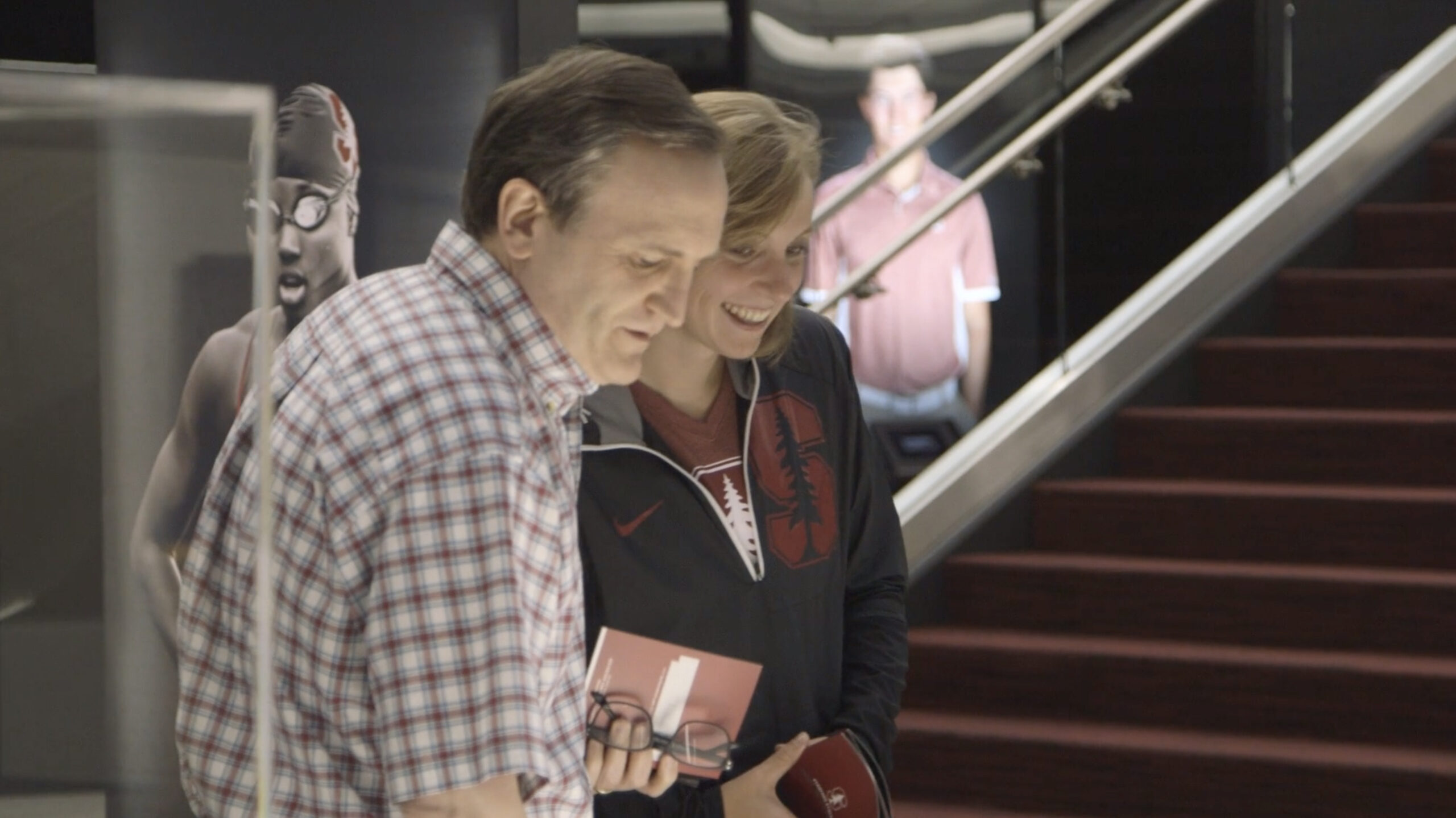
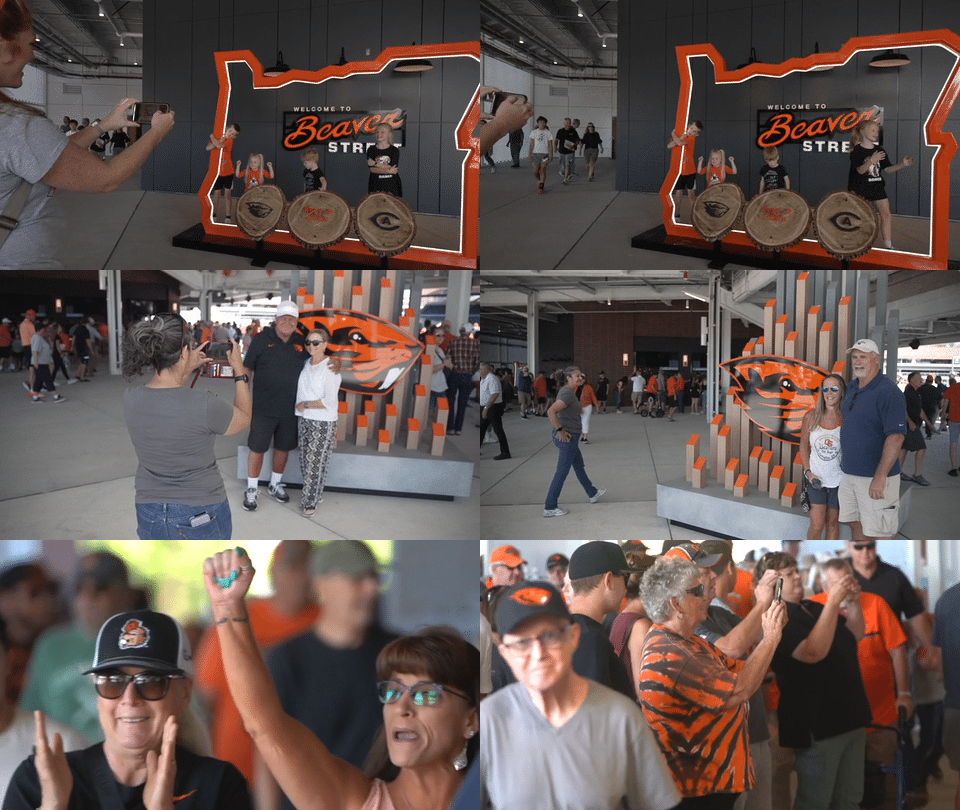
In projects like Reser Stadium at Oregon State University and Camp Randall Stadium South Endzone at the University of Wisconsin, Advent has helped partners think beyond gametime by designing experiences that engage visitors with history, pride, and purpose all year. Hall of fame spaces, recruiting corridors, premium clubs, and public storytelling zones extend the brand experience into campus life, alumni visits, and non‑game events. The same principle applies outside the stadium: every storefront, plaza, and residential lobby becomes part of the story.
This shift from “How do we host a great game?” to “How do we host life here?” is at the heart of resilient, high‑performing sports and entertainment districts. It’s also a key differentiator in markets that are still developing their identity.
The Power of Placemaking in Sports Districts
Energy doesn’t happen by accident. It’s curated. Strong placemaking in a sports multi‑use district connects the venue, surrounding streets, and neighborhood into one cohesive ecosystem.
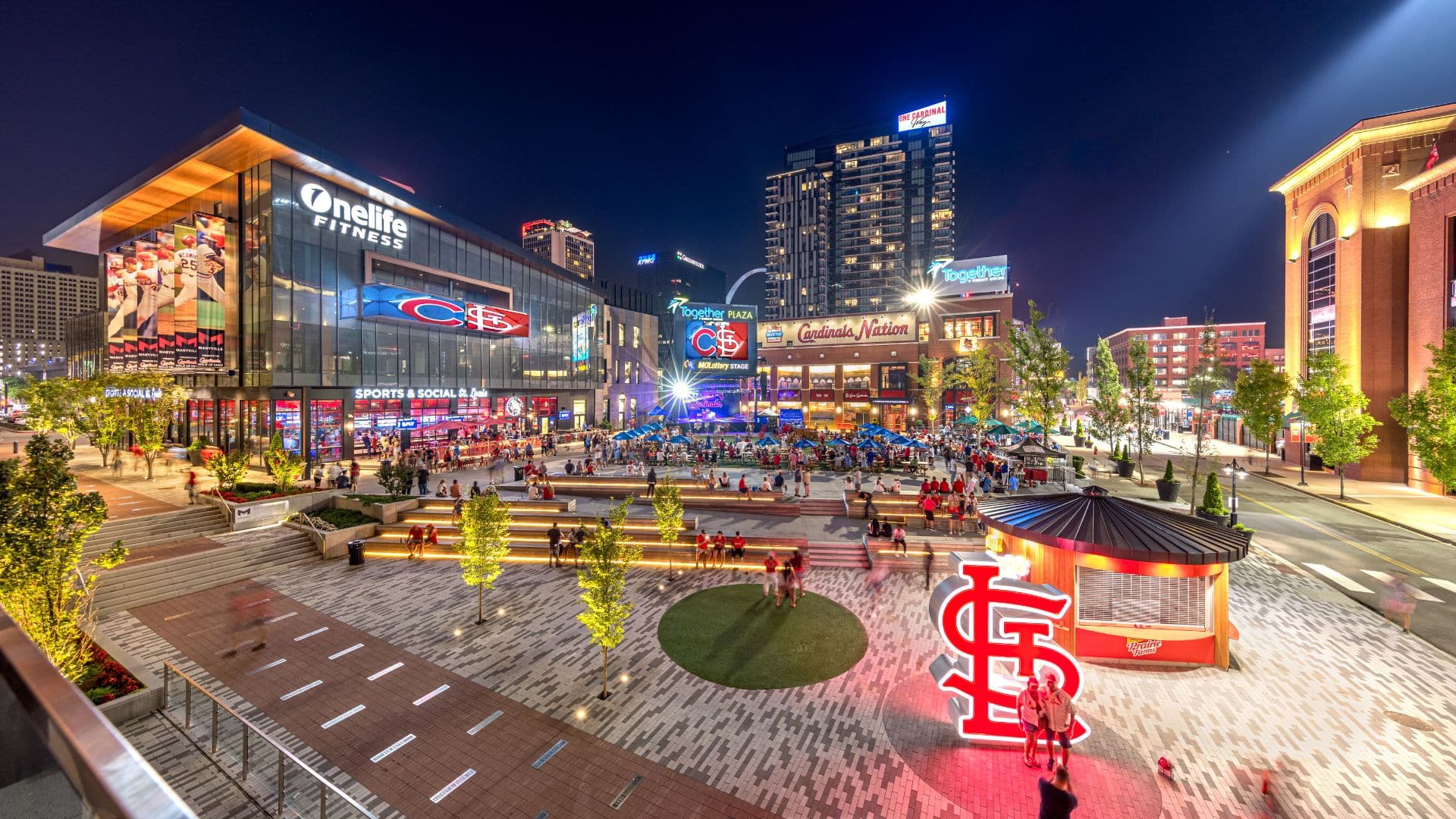
Ballpark Village in St. Louis is a widely referenced example of how thoughtful design and strategic partnerships can keep momentum going beyond baseball season. Residential options with stadium views, entertainment venues, and year‑round programming help merge sports and city life in a way that feels natural rather than forced.
Advent’s work with organizations follows this same philosophy: designing brand experiences that reinforce a sense of belonging across the entire environment. When fans don’t just attend an event but feel like they’re living in the story of their team and city, the district shifts from being a destination to being part of their routine. That’s the essence of effective placemaking in sports real estate.
The Star in Frisco: A Living Example of a 365‑Day District
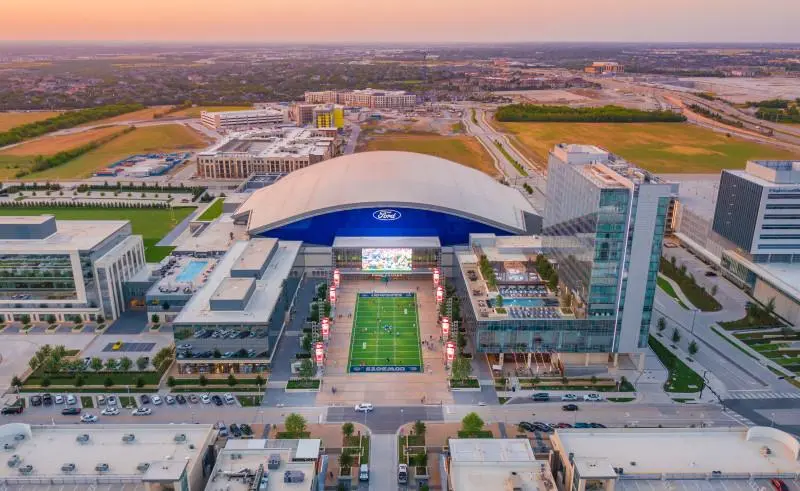
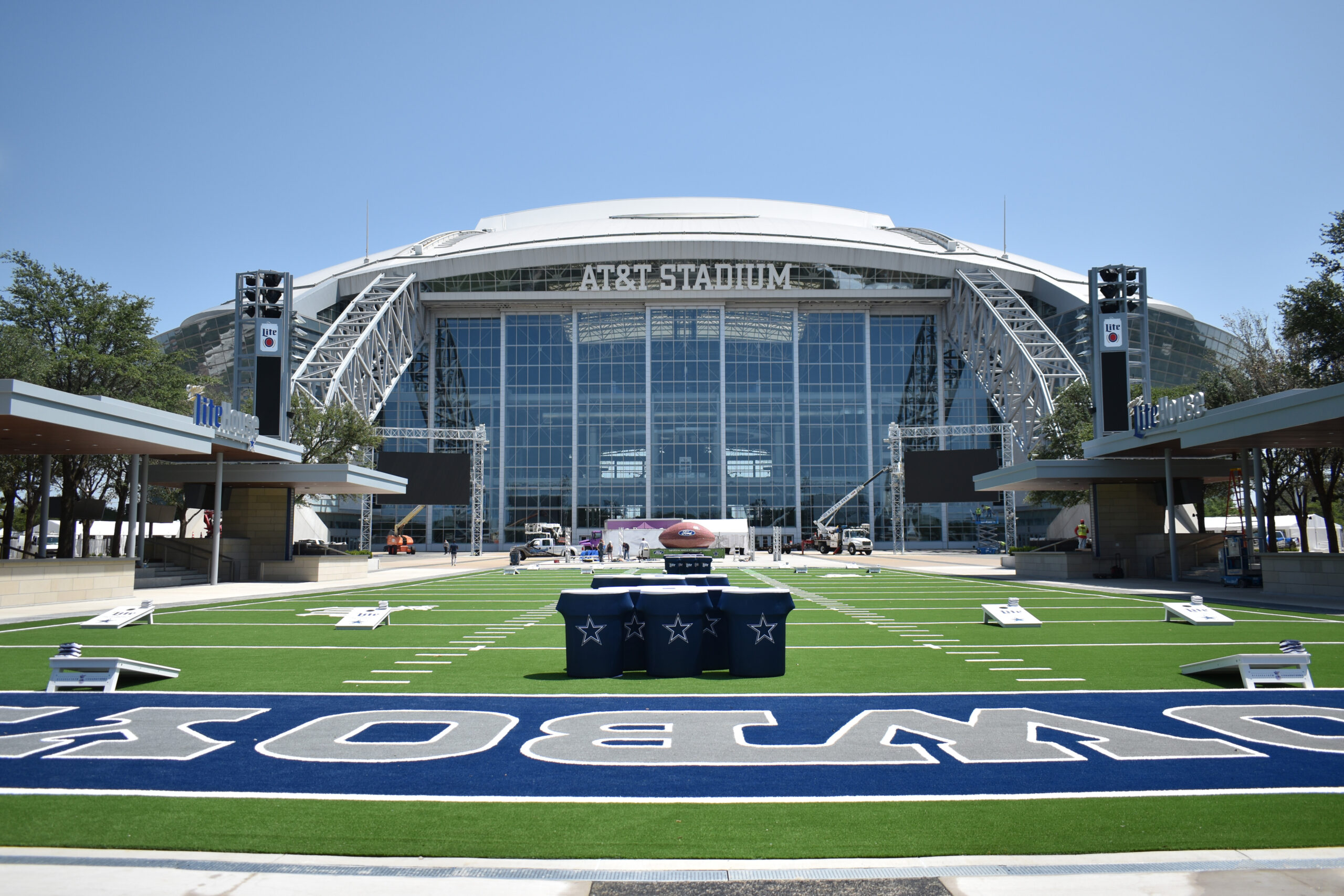
The Star, home to the Dallas Cowboys’ world headquarters and practice facility in Frisco, illustrates how a sports‑anchored mixed‑use development can bring the energy of a franchise into everyday community life. “The Cowboys’ home base in Frisco, The Star, should sit on the same sports-related mixed-use pedestal as the Braves’ development northwest of Atlanta, The Battery. Practice facility/team HQ-anchored mixed-use developments are en vogue, and the Cowboys were trendsetters,” noted Bret McCormick from Sports Business Journal. Designed as more than a training complex, The Star integrates retail, restaurants, hotel, office space, and public plazas to keep activity flowing well beyond practice schedules or football season.
Sponsors and partners are woven into this environment through experiential spaces, branded touchpoints, and year‑round events that align with their business goals and the Cowboys’ brand. MillerLite understood Texas football culture, so they integrated fun tailgate games, local artist murals, and watch parties for away games to engage with the local community.
Rather than simply attaching logos to a building, partners participate in creating places where fans, youth teams, locals, and corporate guests gather, train, dine, and celebrate. The result is a district that feels active on a weekday morning as well as a fall weekend. A model of how sponsorship, community use, and team identity can coexist in a single, coherent place.
Turning Sponsors into Co‑Creators, Not Just Advertisers
One of the core failures in short‑term event planning is treating partners as temporary signposts rather than long‑term collaborators. When the event ends, the signage comes down, and so does the perceived value.
In a well‑designed sports mixed‑use district, sponsorship becomes a platform for shared storytelling and shared impact. Instead of simple logo placement, franchises can invite sponsors and partners into the creative process from the beginning, designing activations that feel native to both the partner and the place.
That can look like:
- Sponsor‑funded spaces that double as community resources such as learning labs, wellness hubs, or career centers programmed heavily on non‑event days.
- Branded experiences aligned with a partner’s mission like financial literacy zones for a bank, STEM innovation labs for a tech company, or youth fitness spaces for a health brand.
- Flexible environments designed for rotating sponsor takeovers, seasonal campaigns, and cause‑based events that evolve over time.
Advent’s approach to sponsorship activations across collegiate venues and districts like those surrounding NFL facilities blends storytelling with spatial design, so sponsor presence feels additive, not intrusive. The Ford Deck at AT&T Stadium reflects this philosophy in action. Designed in partnership with the Dallas Cowboys, the space turns an automotive sponsorship into an immersive brand story that belongs within the DNA of the stadium.
Rather than standing apart as a branded platform, the Ford Deck extends the Cowboys’ narrative of performance, innovation, and Texas pride into a destination that feels alive on game day and beyond. Fans encounter Ford not just through logos, but through experiences with panoramic views of the field, interactive digital displays, and architectural details that celebrate craftsmanship and power, which are core tenets shared by both the team and the brand.
This integration transforms sponsorship from visibility into value. For the franchise, it’s a flexible, high-energy environment that enhances premium fan experiences and generates new programming opportunities throughout the season. For Ford, it’s a narrative-rich space that reinforces brand identity through authentic connection to place and community. When partners become co-authors of the district’s story in this way, engagement deepens, revenue streams diversify, and the physical environment becomes a shared platform for ongoing storytelling that benefits fans, partners, and the city alike.
Building Community‑Centered Multi‑Use Districts
Another lesson from underperforming mega‑event sites is the lack of local ownership and everyday relevance. When districts are designed primarily for visitors, not residents, they struggle once the initial spotlight fades.
For teams and developers, preventing that outcome means putting community at the center of planning, not at the end of a presentation deck. Effective strategies include:
- Creating spaces locals use regardless of the schedule: parks, plazas, markets, coworking areas, and cultural venues that function on a Tuesday afternoon as well as a playoff night.
- Structuring partnerships with municipalities, universities, nonprofits, and local businesses so the district actively supports workforce development, public programming, and neighborhood identity.
- Making the fan journey walkable, encouraging movement between stadium, streets, and surrounding neighborhoods instead of isolating the venue behind gates.
When you intentionally craft the narrative, touchpoints, and partnerships across a district, you build a place people feel connected to rather than just a venue they visit. That sense of ownership is what keeps a district vibrant long after the novelty wears off.
Balancing Innovation, Monetization, and Loyalty
Sustaining energy over time takes both creativity and discipline. Revenue models matter with leases, naming rights, sponsorships, and premium experiences but lasting success hinges on connection.
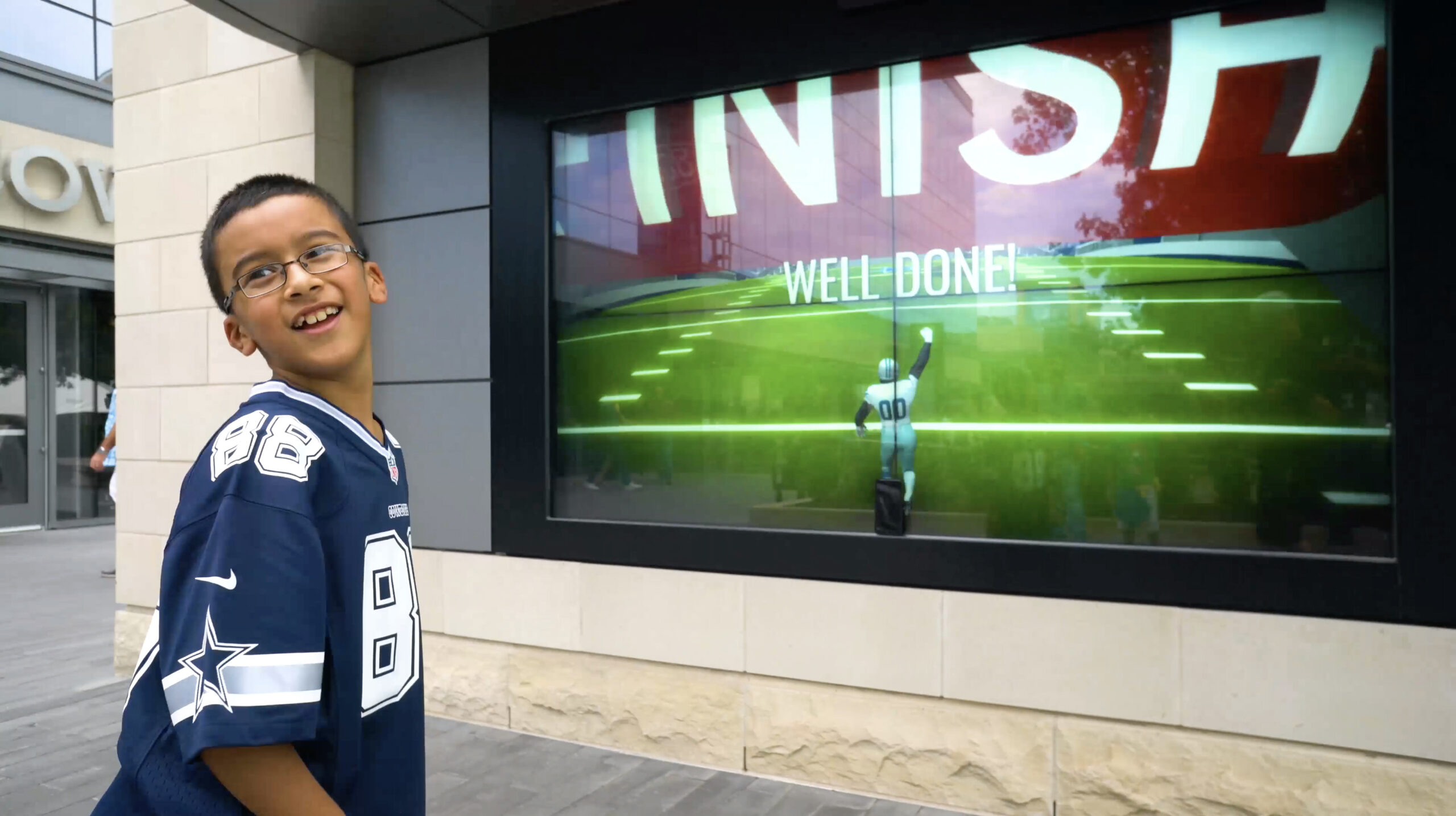
The best sports and entertainment districts don’t just generate income; they generate loyalty. By blurring the line between entertainment, lifestyle, and community spaces, developers and teams turn their real estate into a shared experience rather than a one‑time transaction.
Across college campuses, professional arenas, and team‑anchored districts, organizations must be rooted in this balance: use design and storytelling to create new value for fans and partners, while making sure every touchpoint ladders back to a clear purpose. When fans feel a district’s energy as part of their own story, the return goes well beyond ticket sales or impressions on a sponsorship report.
A Framework for Avoiding “White Elephants”
For teams, leagues, and developers planning a new sports multi‑use district or major renovation, a simple framework can help redirect the trajectory away from Olympic‑style underuse and toward sustained activation:
Start with legacy, not opening day
Define what success looks like five, ten, and twenty years out in terms of fan behavior, community impact, and sponsor value. Before finalizing the master plan, ask: How should this place feel and function on an average weekday in the off‑season?
That conversation begins in StoryMining, long before a shovel hits the ground. By aligning stakeholders around shared goals and storylines early, design and placemaking decisions become rooted in purpose, not just program.
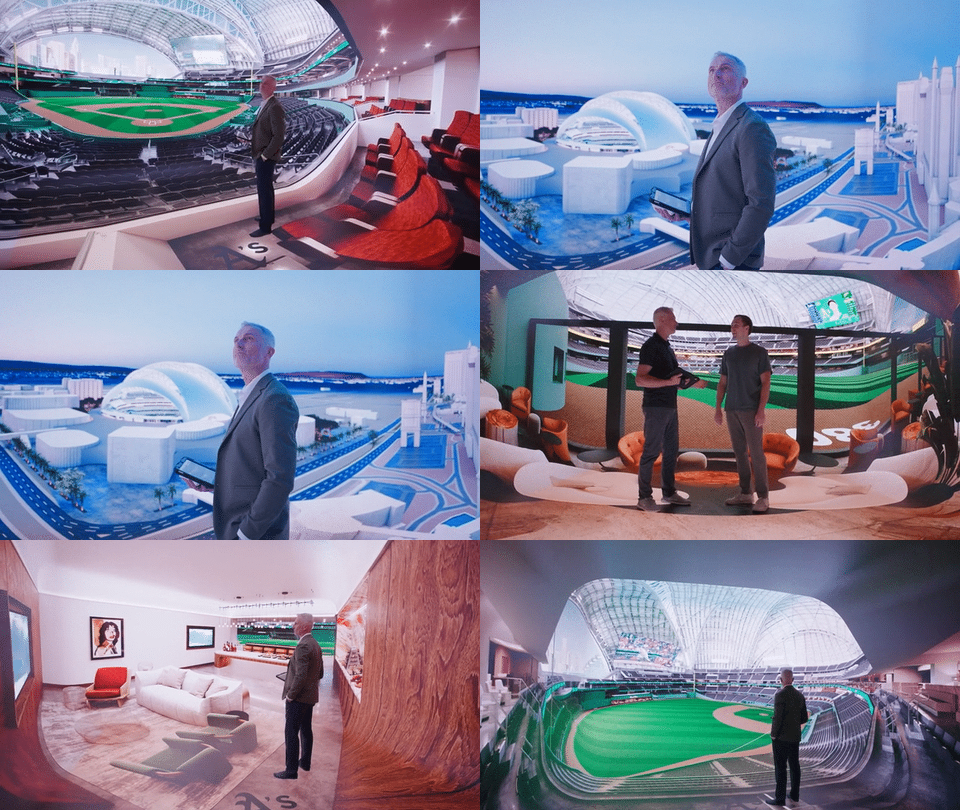
For InterMiami CF and the Las Vegas A’s, the need for an experience center became immediately apparent as large machinery and dirt began moving for their stadiums. Projects like the InterMiami CF Experience Center and the A’s Ballpark Experience Center demonstrate how this forward-thinking approach extends vision beyond the stadium walls. Both were conceived as immersive environments to bring an entire sports-anchored district to life by helping developers, stakeholders, and the community visualize how public space, hospitality, retail, and culture would intersect to create a vibrant, year-round neighborhood experience before the venue was finished.
Design sponsorships as experiences
Move beyond static entitlements to interactive environments and programs that serve fans and residents year‑round. Treat partners as storytellers and problem‑solvers embedded in the district, not just brands on a sign. In the planning phases of stadium projects, this means identifying where sponsors can naturally integrate into the larger ecosystem, from community plazas to tech‑enabled lounges, and defining how their presence contributes to the district’s ongoing narrative.
Program the calendar 365
Build a layered schedule of community events, cultural programming, partner activations, and everyday uses that keep the district active between home games. Think in terms of seasons of content, not just seasons of play. Using the insights gathered during the planning process, franchises can define a rhythm that aligns with local culture and audience behavior, ensuring that a Wednesday afternoon in the district feels as engaging as a Saturday game day.
Measure and adapt
Use data on dwell time, repeat visitation, event performance, and community outcomes to refine spatial design and sponsor activations. The most successful districts treat the environment as a living platform that can continually evolve. Continuous evaluation and iteration keep the brand story relevant and the space responsive to community needs.
When franchises, cities, sponsors, and design partners collaborate in this way by starting with intentional planning, storytelling, and prototype experiences, a sports‑anchored district becomes more than a backdrop for big moments. It becomes a living, evolving neighborhood where brand, community, and business objectives reinforce each other every day of the year.
At Advent, we’ve seen that when you plan holistically designing experiences for the entire district, not just the venue, and tell a city’s story through meaningful space, every day has the potential to feel like game day, and no venue has to become the next “white elephant.”

Advent, a Nashville-based experience design agency, has created storytelling environments for professional sports organizations, academic institutions, and Fortune 500 companies for over 25 years.