

Experience Design
Beyond the Handshake: How to Turn Introductions into Strategic Partnerships that Drive Long-Term Value
Some of the best business opportunities begin with a simple introduction.
But the introduction is only the beginning.
Throughout my career, I’ve always valued the relationship side of business. I enjoy learning what other people do, understanding what they’re seeing in the market, and connecting people and ideas that might otherwise never cross paths.
Over time, I’ve learned there’s an important difference between building a network and building a strategic partnership.
“A network expands who you know. A strategic partnership expands what you can accomplish together.”
According to KPMG research, 75% of executives say partnerships fuel growth, innovation, and agility. Meanwhile, 83% plan to expand their partner networks, and nearly half are actively seeking partners to help co-create new offerings. Yet 71% struggle to align partners around strategic goals.
That’s where I believe the opportunity is.
When you are selling eight-figure sales centers, campus experience centers, or stadium developments, the traditional vendor-client model falls flat. An architect can draw a space, and a tech vendor can supply screens, but if no one aligns the commercial strategy and brand storytelling before the blueprint is finalized, everyone wastes time and money chasing a vision that doesn’t scale.
Moving past that hurdle means being far more intentional about how relationships develop—learning each other’s businesses, identifying complementary expertise, and creating opportunities that deliver greater value for both organizations and, ultimately, the client.
At Advent, collaboration is naturally part of our work. We operate at the intersection of storytelling, technology, content, and the built environment, which means we regularly work alongside architects, contractors, developers, commercial strategists, technology companies, operators, and other specialists.
No single organization needs to bring every capability to the table. The opportunity is bringing the right expertise together around a shared outcome.
Here are five principles I’ve found valuable in building those relationships:
1. Build Early Alignment Around Goals, Roles, and Strategy
The best time to understand how you might work with another organization is before there’s an immediate opportunity on the table.
Take time to understand each other’s capabilities, priorities, people, and ways of working. Introducing teams. Share perspectives on the market. Talk openly about where your expertise complements one another.
The American Institute of Architects (AIA) and Associated General Contractors of America (AGC) have emphasized the importance of early alignment around shared goals, clear roles, and open communication within the built environment.
I think that principle translates beautifully to strategic partnerships.
When relationships are established early, teams can approach future opportunities with greater trust, clarity, and an understanding of what each organization brings to the table.
Relationships require attention. Strategic partnerships require intention.
2. Lead With Curiosity to Uncover Market Insights and Partnership Opportunities
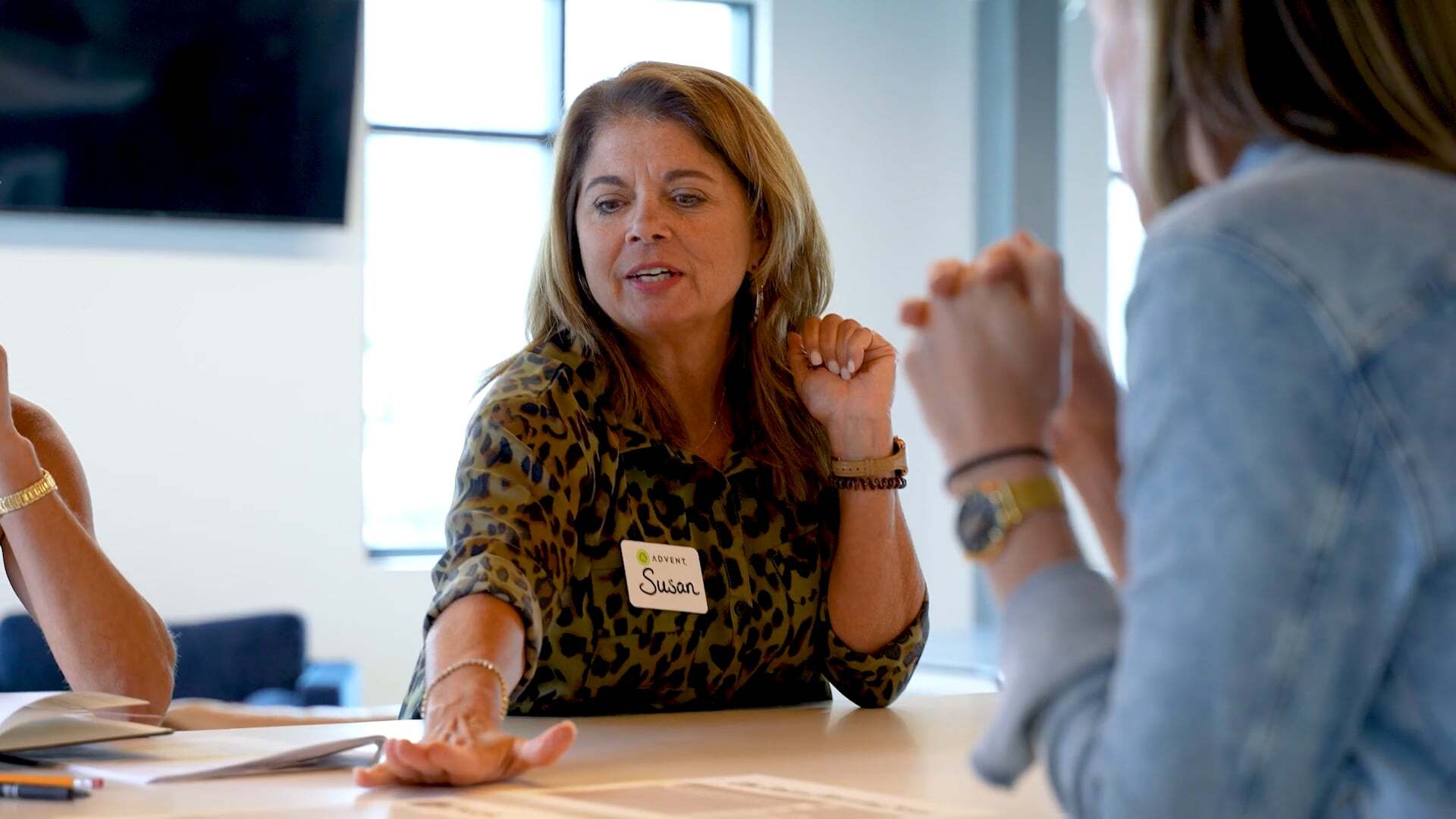
One of my favorite parts of meeting with potential partners is learning what they see from their side of the business.
- What are clients asking for?
- What has changed in the market?
- Where are they seeing growth?
- What challenges continue to surface?
- Where could complementary expertise create a better solution?
Those conversations often uncover opportunities that neither organization would find by simply presenting capabilities to one another.
At Advent, our proprietary StoryMining® process begins with discovery—understanding an organization’s culture, people, stories, and emotional connections before determining what an experience should become.
There’s a similar lesson in partnership development: Understand first. Then explore what might be possible together.
3. Invest in the Relationship Before There’s a Deal
Some of the most valuable partnership conversations happen when there’s nothing immediate to sell.
They happen through strategy sessions, introductions, shared market insights, creative conversations, or a simple message that says: “I saw this and thought of you.”
Those interactions may seem small, but over time they create familiarity and trust. You learn how each other thinks. You meet the broader teams. You understand where each organization creates the most value.
Then, when an opportunity does emerge, there’s already a foundation in place.
The strongest partnerships often begin long before the opportunity does.

4. Bring Complementary Expertise Together
Great partnerships don’t require organizations to become more alike. Their value often comes from what makes them different.
At Advent, we’ve experienced this through collaborations with firms like HKS on the TCU Hall of Fame and JLG Architects on the University of North Dakota’s Nistler College of Business & Public Administration.
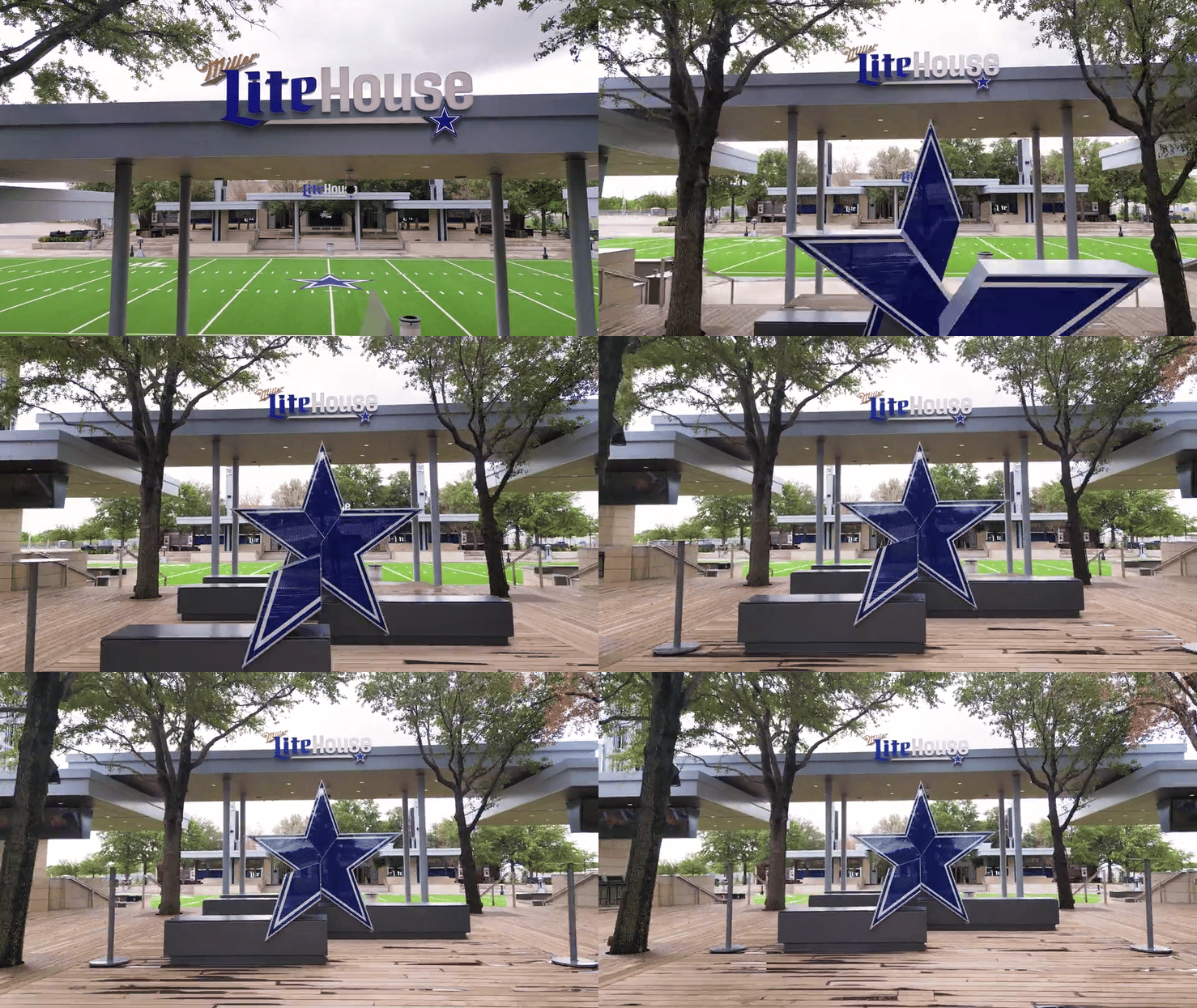
We also saw this first hand with the Dallas Cowboys, The Jones Family, and the Miller Lite House reimagined, pre-game experience at AT&T Stadium, or with Haslam Sports Group for the Cleveland Browns Experience Center, or Tepper Sports and Entertainment and Legends for Bank of America Experience Center for the Charlotte FC and Charlotte Panthers.
Whether you’re working on a collegiate project with architectural partners or building an experience center or multi-brand activation at a venue, success comes down to respect for complementary strengths.
When partnerships are executed right, the boundary line disappears. Whether a fan is stepping into an NFL plaza or a student is walking into a university hall, they shouldn’t be able to tell where the architecture ends and the brand storytelling begins. They just experience one cohesive place.
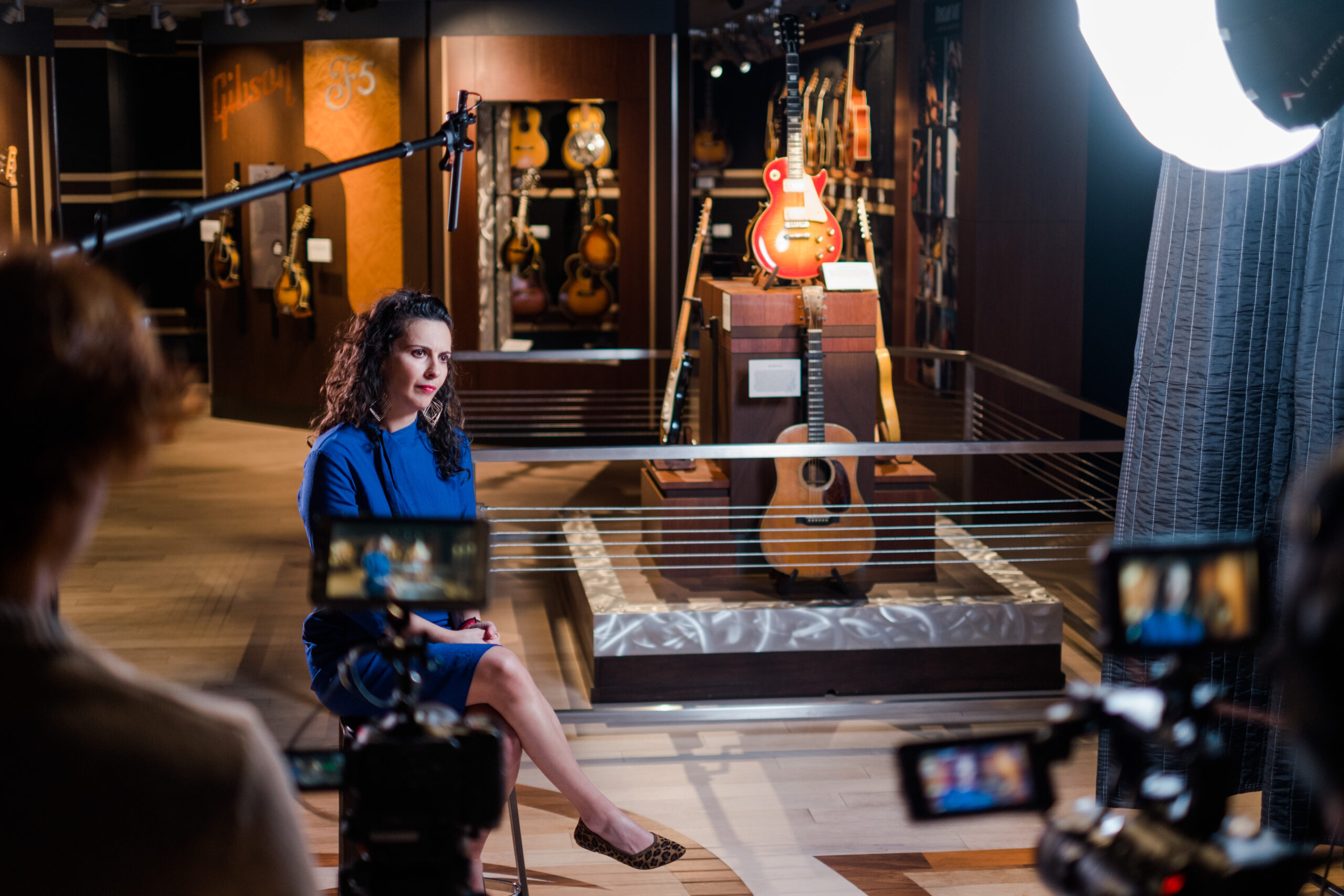
Listen to Chad Estis—EVP & Chief Revenue Officer at Legends Global—share how our partnership at The Star got started:
5. Move Beyond Referrals and Build an Ecosystem
Referral relationships can be valuable. Strategic partnerships can take them one step further.
Instead of only asking: “Do you have an opportunity for us?”
There’s another question worth exploring: “What are we seeing that we could solve together?”
Complex projects often require different specialties at different stages, which creates an opportunity to intentionally connect expertise:
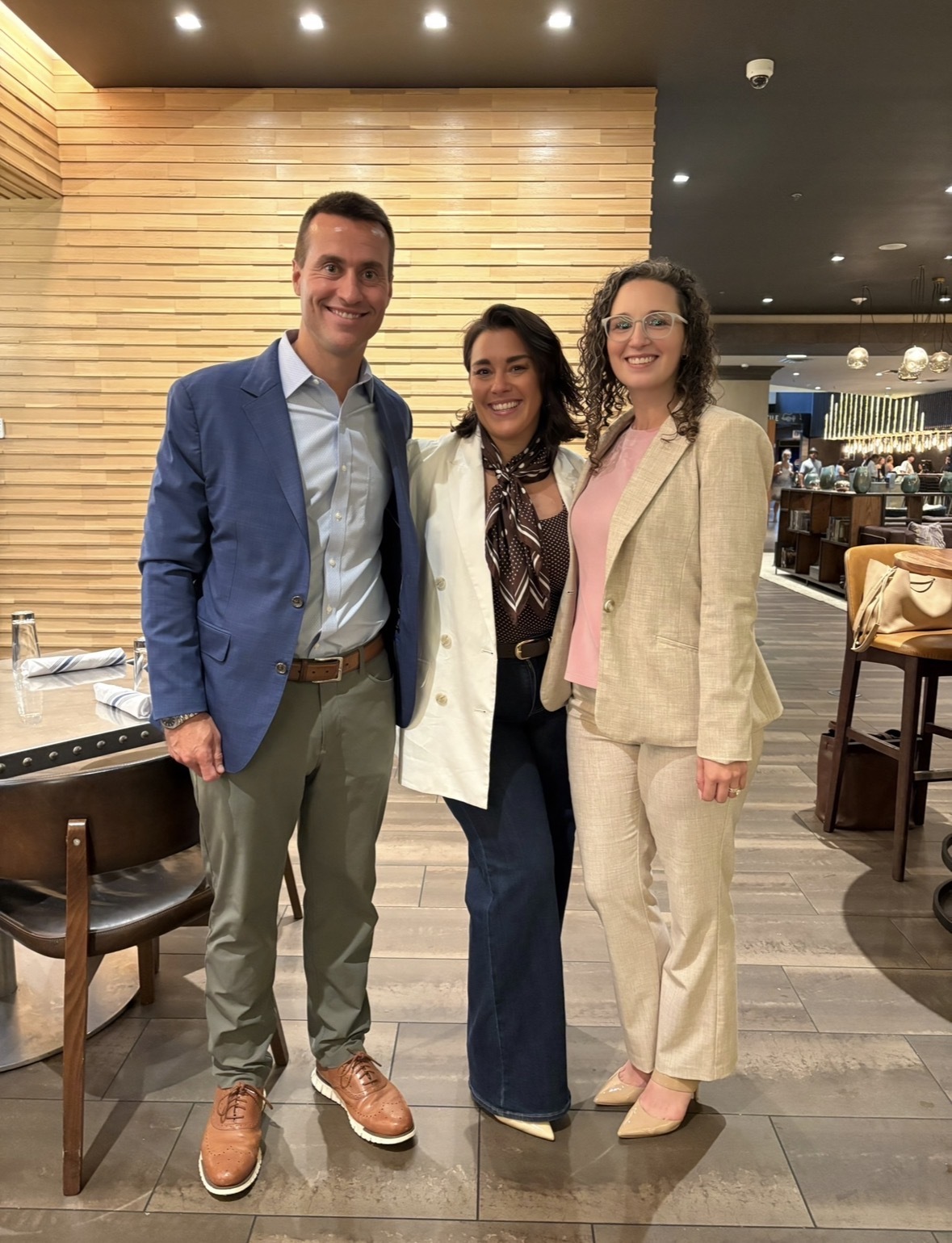
Procurement: Partners like OMNIA Partners can help institutions navigate group purchasing channels and create efficient paths to execution (featuring our friends at OMNIA, Mike Grade and Elizabeth Johnson, pictured below!).
Architecture & AEC: Architects, engineers, and construction partners bring the expertise required to shape and deliver the physical environment.
Commercial Strategy & Franchises: Leaders like Legends Global, along with visionary owners like Tepper Sports & Entertainment and Haslam Sports Group, demonstrate how strategic venue development, commercial alignment, and multi-team investments can transform sports properties into economic engines for entire regions.
Hospitality & Operations: Groups like Greenleaf Hospitality Group bring valuable insight into how spaces ultimately function for guests, fans, teams, and operators.
The goal isn’t to know more companies. It’s to understand how the right organizations can create greater value together.
And sometimes serving the client well means being comfortable saying: “That isn’t where we’re best, but I know someone who can help.”
That doesn’t diminish the relationship. It strengthens it.
The Advent Takeaway
An introduction can start a relationship. What happens afterward determines what that relationship can become.
The meaningful work is learning each other’s businesses, introducing teams, sharing perspectives, exchanging ideas, and being willing to explore opportunities before they’re fully formed.
That’s where strategic partnerships become more than a business development channel. They become a way to learn from one another, expand what each organization can offer, and uncover possibilities that might not have been visible independently.
The handshake may open the door. The real value is what you’re able to build together once you walk through it.
If you see an opportunity to bring our capabilities together to create something meaningful for a client, let’s start a conversation.

Written by Jenn Cunningham, Director of Strategic Client Relations
For over 25 years, Advent has been creating emotionally resonant experiences for leading brands including AT&T, Fanatics, the Dallas Cowboys, and Stanford University. Our proprietary StoryMining methodology ensures that every project starts with the story, not the technology.