

Experience Design
Your Brand Doesn’t Live Where You Think It Does
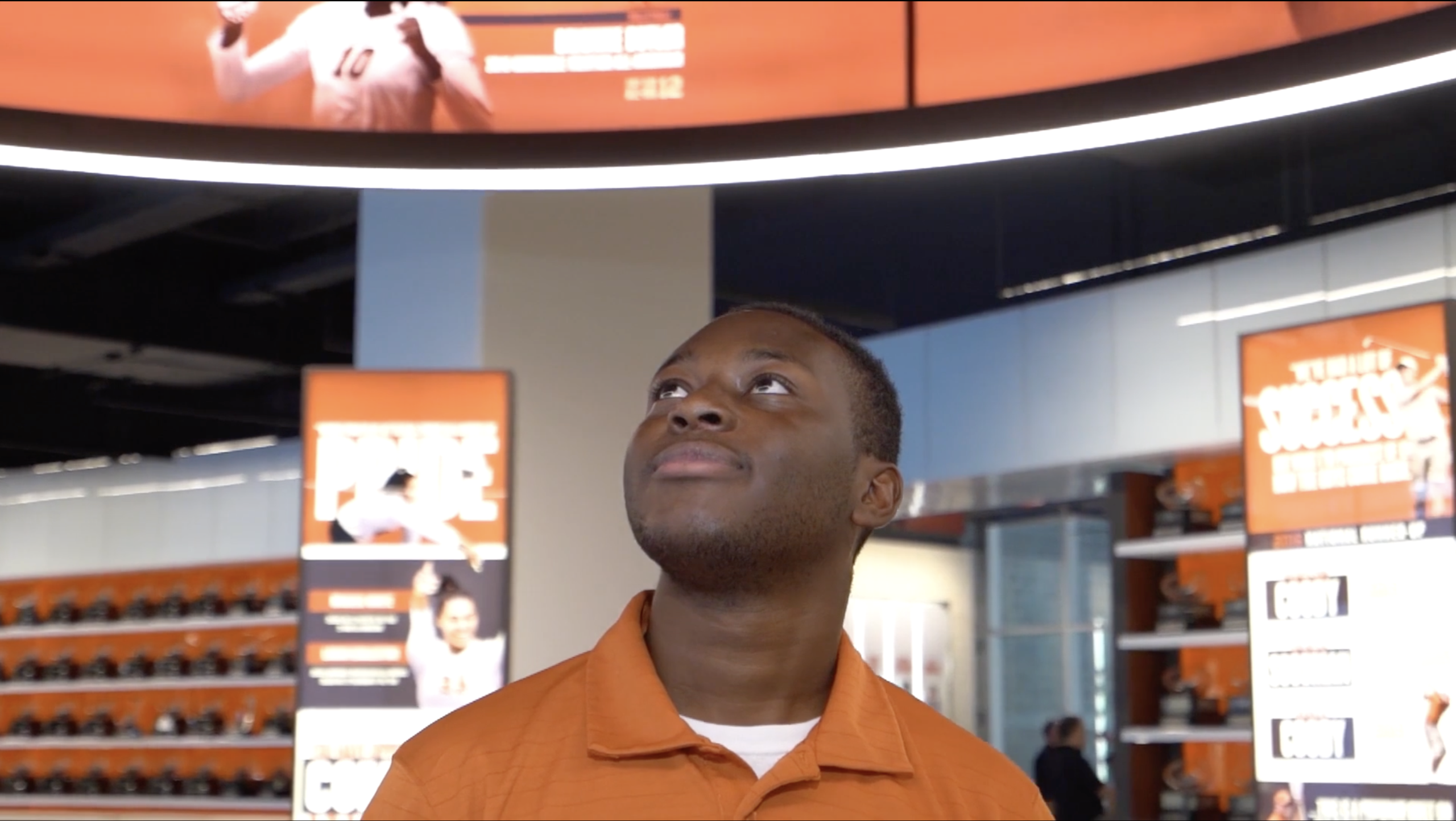
I’ve been to a lot of impressive places in my life. This isn’t a humble brag, but I’ll kick off by listing 3…. The White House. The Vatican. The Acropolis.
And I’ve probably visited more than 200 stadiums and arenas across my career. And in every one of those spaces, I was studying the same thing: the gap between what an organization believes its brand to be, and what the people inside that space actually feel.
That gap is where most organizations lose connection to their people.
Let’s get clear from the start, your brand is not your logo. It’s not your tagline. It’s not the 47-page brand character document your marketing team spent six months producing that nobody reads and fewer follow. Those things are tools, at best, and wallpaper, at worst.
Your brand is something you don’t actually own.
Do you know how difficult it is to sit down to define ‘brand’?
Once you really accept it, everything about how you approach building value in your organization has to change. So, let’s continue.
Your audience? Let’s talk about the people you want to attract and engage with. They’re the people that hold your brand. Not your C-suite. Not your marketing department. Your audience, your fans, these are the people whose perception actually determines your value.

The Logo Is Just a Key
When a CEO points to a logo and says, “That’s our brand,” I understand the instinct. They know the inner workings of the business. They feel the passion. Your consumer? They’re not there (yet). Visual identity is tangible. It’s something you can point to and feel ownership over. But it’s a trigger, not a brand. It’s a visual cue that activates something much more powerful: the perception that already exists in someone’s mind.
When you see the Nike swoosh, you don’t think “checkmark-shaped logo.” You think of Michael Jordan defying gravity. You think of the high tops you coveted in high school. You think of your morning run. That swoosh is just the key that unlocks a room full of memories, emotions, and associations that Nike doesn’t own. You do. Nike just benefits from them.
The Starbucks siren works the same way. The moment you see it, you’re already somewhere specific. Maybe it’s the smell of the coffee. Maybe it’s a particular morning. Maybe it’s something you associate with getting things done. Starbucks didn’t put those associations there with their logo. They put them there with every interaction you’ve ever had with that brand. The logo? That’s just the identity, the signal, that brings them back. This is the foundation and it’s the thing most leaders resist.

What Happens When You Try to Control It
“We need to control our brand.” Of course you do. We all do. Usually right before that same leader issues a mandate about brand compliance or approves a new set of guidelines that will live in a shared drive and be opened twice.
You want to know what happens when organizations try to control their brand instead of shaping it? You get Blockbuster insisting they’re an entertainment company while Netflix eats their lunch. You get Kodak defining themselves as a film company while the world goes digital. You get leaders so busy protecting what they think their brand is that they miss what it’s actually becoming in the marketplace.
Sears. Let’s talk about Sears. For a century, their brand lived in people’s minds as quality. Craftsman tools with lifetime warranties. Kenmore appliances that lasted decades. Catalog dreams delivered to your door. The brand promise was rock solid.
Then the experience crumbled. Unkempt stores. Empty shelves. Broken escalators. Staff who seemed surprised you showed up. They kept claiming “Shop Your Way” while providing no way anyone wanted to shop! That’s beyond the logo. The gap between what people remembered and what they actually experienced became a chasm. No rebranding exercise was going to fix that. The damage was done in the lived experience, one disappointing visit at a time.
Meanwhile, Target understood something that Sears missed entirely: budget shopping could still feel like a choice you were proud of. Wide aisles. Designer collaborations. Curated displays. They didn’t promise luxury. They promised “Expect More, Pay Less” and then delivered it in every single detail, from the font on the signs to the weight of the shopping carts. One company forgot that experience is evidence. The other made experience everything.
The Brand Is Already in Their Heads
The customer who had a bad experience? They own a piece of your brand now. The employee who feels undervalued? They’re shaping your brand with every interaction they have on your behalf. The Google review posted at 11pm? That’s your brand being built or broken in real-time, without your permission. The reality? You never actually controlled your brand anyway.
So the question isn’t whether you control your brand. You don’t. The question is whether you’re going to intentionally shape the perceptions that matter, or let them form by accident.
We discovered this truth not in boardrooms, but by listening. Our research methodology at Advent, which we call StoryMining, is a one-on-one conversation guided by empathetic listening. We create what I’d best describe as a ‘sacred space’, where people feel safe enough to tell you what really matters to them about an organization.
During a recent StoryMining session for a healthcare system, we asked an employee a simple question: “Why is this organization important to you?” She paused. Her eyes welled up. And then she said five words that contained more brand truth than any mission statement ever could.
“They saved my son’s life.”
That’s brand. Not the hospital’s logo. Not their tagline about excellence in care. A mother’s tears of gratitude. That emotional truth is what drives her to show up every day, to go above and beyond, to tell everyone she knows about this place. That perception lives in her head and in her heart. And no brand guidelines document put it there.
You can’t find that on Wikipedia. You can’t Google that emotion. You can only discover it by deliberately listening to the stories people carry.

The Four Mistakes Most Leaders Make
Once you accept that brand lives in your audience’s heads, the next question is: what are you doing to shape it?
In thirty-plus years working with organizations across professional sports, higher education, healthcare, and Fortune 500 companies, I’ve watched leaders fail at this in four very predictable ways.
The first is logic over emotion. Leaders think people make rational decisions. They don’t. Antonio Damasio’s research showed that people with damage to the emotional centers of their brains don’t just make bad decisions. They become incapable of making decisions at all. Yet executives still lead with features and benefits, still build decks full of data, still wonder why nothing moves.
The second is internal focus. They design experiences for themselves, not their audience. The university president who loves the traditions from his own alma mater. The CEO who assumes everyone shares her passion for efficiency. The creative director who designs for other creative directors. Your perception is not their perception.
The third is one-size-fits-all. Brand is personal. The experience that delights a major donor might bore a first-year student. The moment that moves a lifelong fan might confuse someone attending their first game. Great experience design acknowledges that every mind contains a slightly different version of your brand, and meets people where they are.
The fourth, and probably the most common, is the assumption that experience design is a project rather than a practice. Organizations invest in a new facility or a rebrand, declare victory, and move on. But perception evolves. Expectations rise. What was surprising yesterday became standard today and stale tomorrow.

Shaping What You Can’t Control
The shift I’m asking you to make is from control to influence. Traditional thinking says: tell them who we are. What we’ve learned across 2,500+ projects is that the more powerful approach is: help them experience who you are.
A semantic distinction? Not really. It’s a fundamental change in how you allocate resources, how you design touchpoints, how you measure success, and how you think about the relationship between your organization and the people it serves.
When Jerry Jones took over the Dallas Cowboys, he didn’t issue a proclamation that they were America’s Team. He created experiences that made people feel it. The Star headquarters in Frisco isn’t about control. It’s about invitation. Come see. Come feel. Come participate in making this perception real.
The brand lives in their heads. The experience lives in their hearts. Connect the two, and you don’t just have a customer. You’ve hooked yourself a believer.

For over 25 years, Advent has been creating emotionally resonant experiences for leading brands including AT&T, Fanatics, the Dallas Cowboys, and Stanford University. Our proprietary StoryMining methodology ensures that every project starts with the story, not the technology.