

Sponsorship Activation
Technology
Your Fans Don’t Want To Be Activated, They Want To Belong
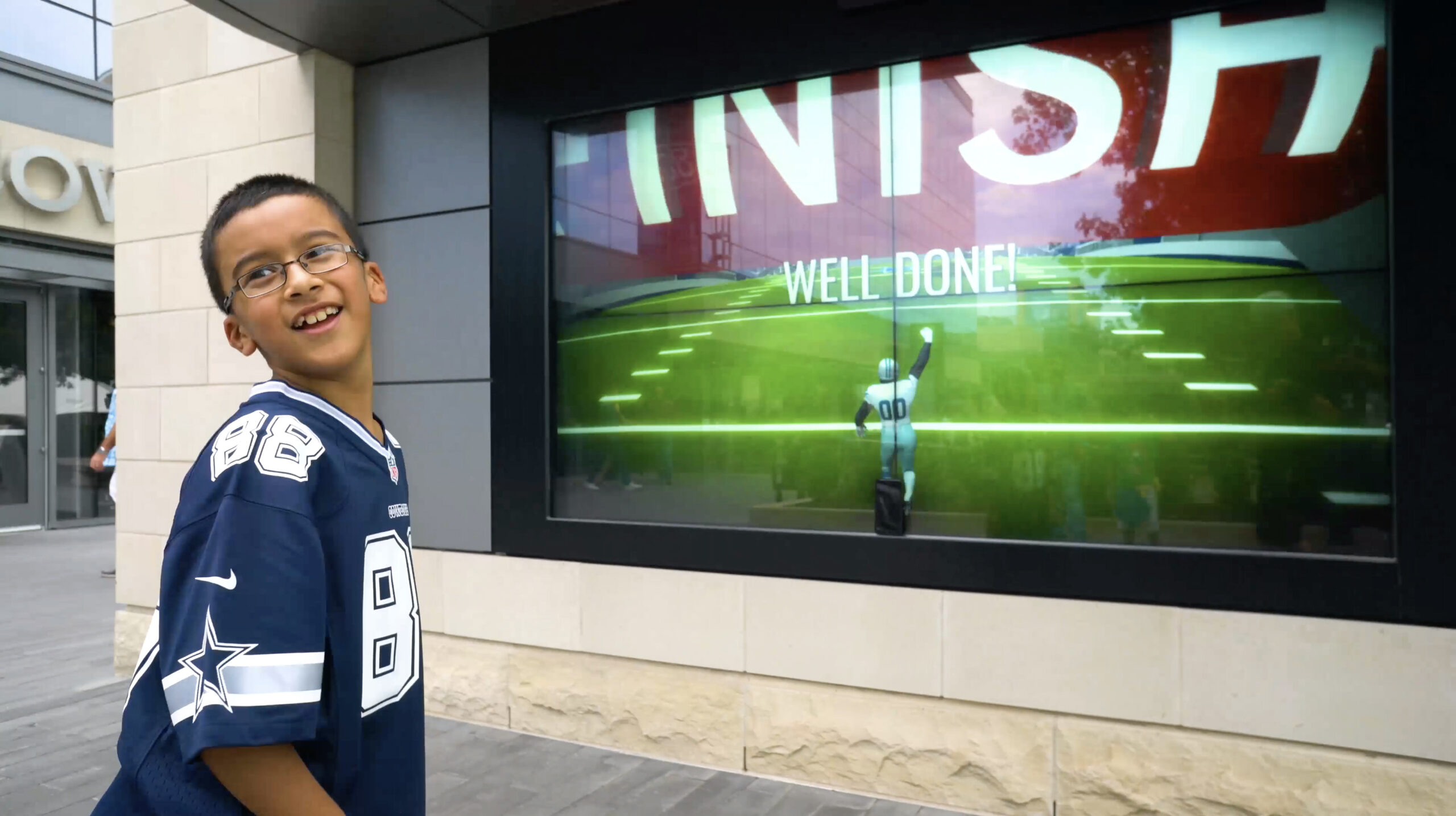
Fan engagement is one of the most overused phrases in professional sports.
It shows up in every strategy deck, every board presentation, every post-season debrief. And in most organizations, it describes a collection of tactics. A loyalty app, an in-stadium activation, a hashtag campaign loosely grouped under the assumption that activity equals connection.
It doesn’t. And the gap between activity and genuine connection is where franchises quietly lose their fans over time.
My firm has worked with organizations ranging from the Dallas Cowboys to FC Barcelona to the Kansas City Chiefs. Across nearly 30 years and more than 2,500 projects, the pattern we see repeatedly is the same: organizations that struggle with fan engagement are almost always treating fans as an audience to be reached, rather than a community that needs a reason to belong. Those two approaches produce completely different outcomes.
The Brand Doesn’t Live in Your Building
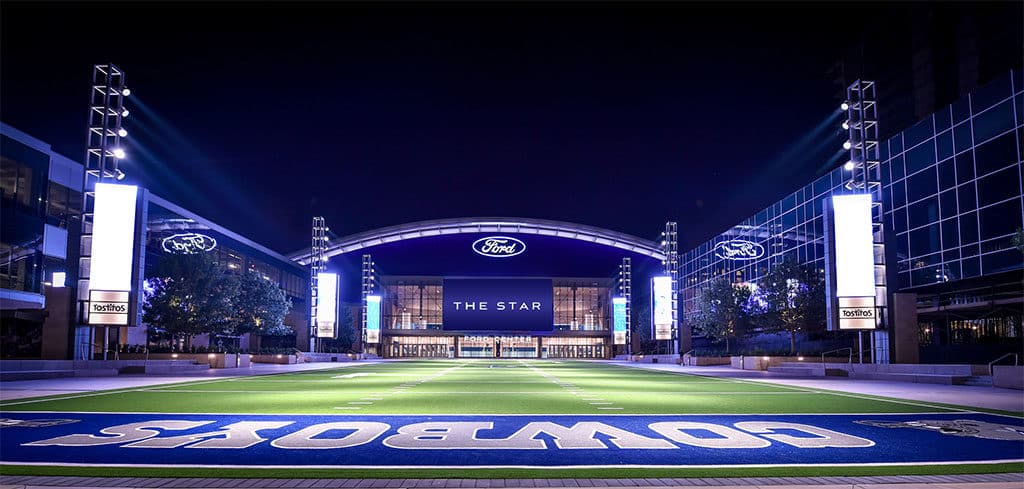
In 2014, I stood in the parking lot of Valley Ranch in Dallas, the world headquarters of the Dallas Cowboys. I expected to feel something. Five Super Bowl rings. The most recognized logo in professional sports. The franchise that had essentially invented modern sports marketing. What I found instead was an aging office building that felt entirely disconnected from the brand promise those blue stars had been making to fans for decades.
Jerry Jones felt that same disconnection the moment he bought the team in 1989. He spent years closing it, not by changing the Cowboys brand, but by building physical environments that could actually match what was already living in the minds of millions of fans. Today, The Star in Frisco is 91 acres of deliberate experience design. The Cowboys are worth over $13 billion, the most valuable sports franchise on earth, not because of recent Super Bowls, but because Jones understood that perception is value, and experience is what shapes perception.
This is the starting point for thinking seriously about fan engagement. Your brand isn’t what you say it is. It’s the collection of stories (positive and negative!) that exist in the minds of your audience. Every experience you create either adds to that collection or subtracts from it. Every touchpoint either closes the gap between what fans expect and what they actually encounter, or it widens it.
Fan engagement, understood properly, is the sustained work of closing that gap.
Why the Standard Playbook Falls Short
Most fan engagement strategies are built on a consumption model: fans are an audience to be served content, offered incentives, and measured by activity metrics. Impressions, app opens, concession spend per cap, renewal rates. These numbers matter. But they measure behavior, not belief. And loyalty is built on belief.
Consider what real fandom actually looks like. Fans say ‘we won’ and ‘we lost’ never ‘they won’ or ‘they lost.’ They tattoo logos on their bodies. They name children after players. They drive four hours in November to watch a team that’s 3 and 8. That isn’t consumer behavior. That’s tribal identity. They’ve absorbed your story into their own.
No loyalty points program creates that. No sponsored giveaway night creates that. Those things might move the short-term numbers. What creates deep fan loyalty is a sustained sense of belonging, the feeling that this team, this community, this place is partly theirs.
The organizations building that kind of loyalty are asking a different question. Not ‘how do we activate our fans?’ but ‘how do we make our fans feel like they belong here?’
The Neuroscience Makes the Case
Antonio Damasio spent years studying patients who’d suffered damage to the emotional centers of their brains. Their cognitive functions remained fully intact, they could analyze, calculate, reason at full capacity. What they couldn’t do was make decisions. Even simple ones. Where to eat lunch. Which appointment to schedule. Without emotional input, the decision-making process simply stalled.
Damasio’s conclusion has enormous implications for how sports organizations think about fans: people don’t make decisions despite emotion. They require it. Every significant fan behavior ; renewing season tickets, buying merchandise, convincing a friend to come to a game, becoming a lifelong advocate, begins with a feeling, not a rational calculation.
This is why experience is the only lever that produces durable fan engagement. A push notification can remind someone the game is on Thursday. An immersive physical experience can make them feel, at a neurological level, that they are part of something that matters. One of those creates a transaction. The other creates a bond.
What Belonging Actually Looks Like in Practice
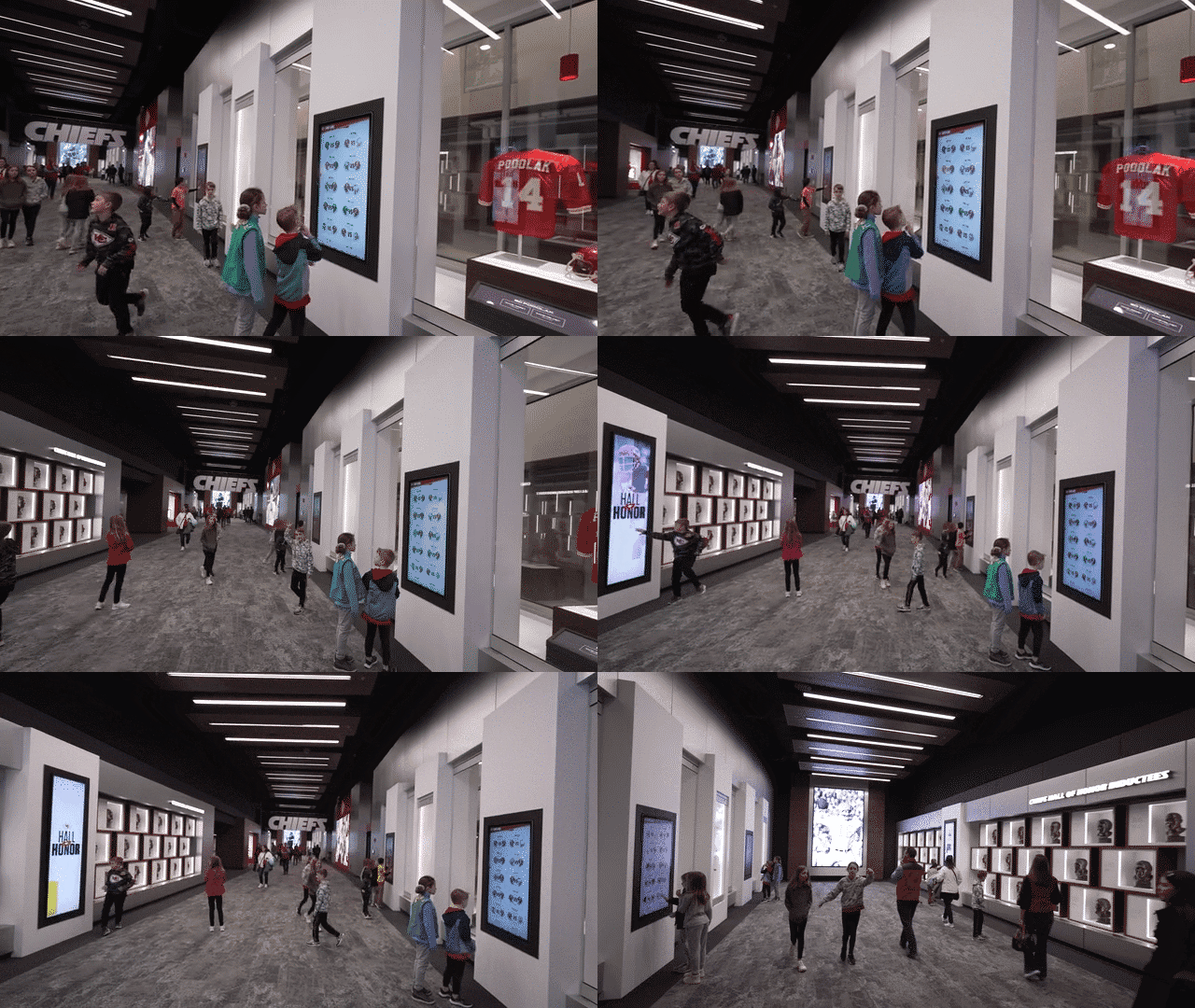
When we helped transform the Kansas City Chiefs’ Hall of Honor at Arrowhead Stadium, the goal wasn’t to build an impressive display. The goal was to give Chiefs fans a physical space where their identity as part of Chiefs Kingdom could be made real and tangible.
We created a massive dimensional arrowhead installation where fans can stand inside the team’s logo. No one has to be told what to do when they walk up to it. A grandfather brings his seven-year-old grandson. The kid stands inside the arrowhead doing the tomahawk chop. The grandfather takes fifty photos from every angle. They’ve posted twelve of them before they’ve left the building, captions about legacy, tradition, three generations of Chiefs fans. That content wasn’t created for the Chiefs’ marketing department. It was created because a family needed to document a moment that meant something to them.
The Chiefs didn’t ask for that content. They didn’t incentivize it. They built a space where belonging was made physical, and human nature did the rest.
We see the same dynamic at the University of Texas Athletics Hall of Fame. Athletic Director Chris del Conte came to us with a specific diagnosis: the greatest athletic program in college sports had forgotten how to make people feel like they deserved to be part of something magnificent. Trophies were scattered across campus in separate buildings, telling fifty different stories. He wanted one story.
‘Every trophy was telling a different story,’ del Conte told me. ‘We needed one story, one that says if you’re here, you belong to all of this.’
The Hall of Fame sits inside the concourse at Darrel K Royal Memorial Stadium, integrated into gameday rather than separated from it. There’s no glass on the trophy cases. Fans can touch the Heisman trophies. When people can reach out and put their hands on something that represents the highest achievement in their sport, it stops belonging to the university and starts belonging to the tribe.

The CARE Framework: How We Engineer It
Across thousands of projects, we’ve identified a consistent pattern in every experience that produces genuine fan loyalty. We call it CARE and it maps directly to how humans process meaning and make emotional commitments.
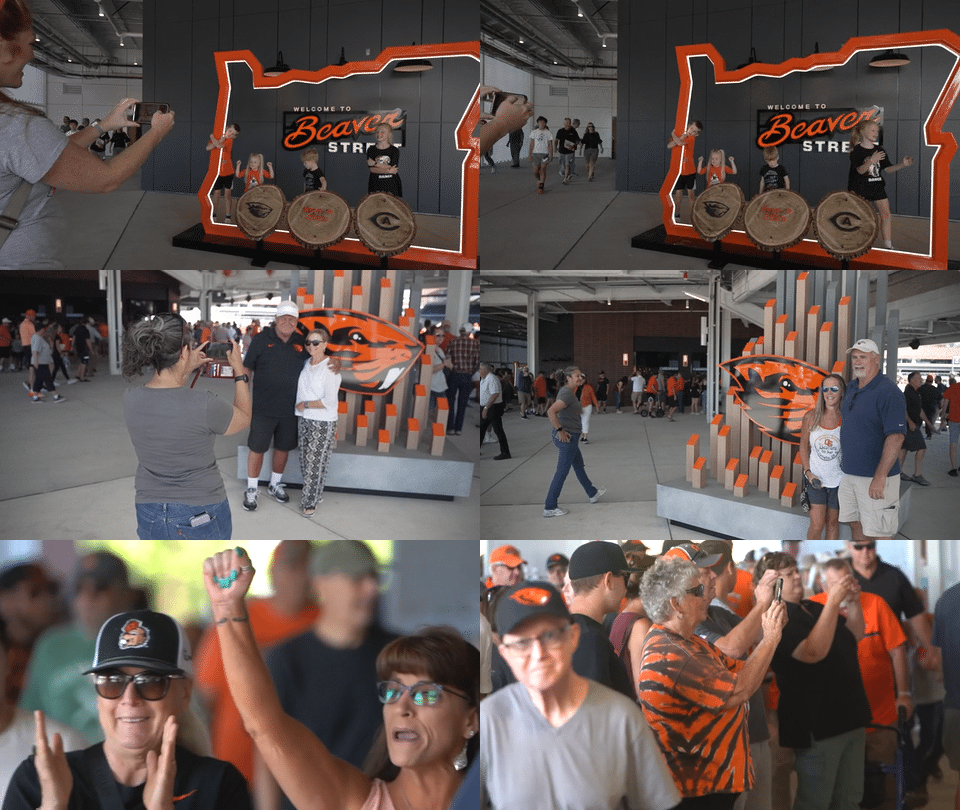
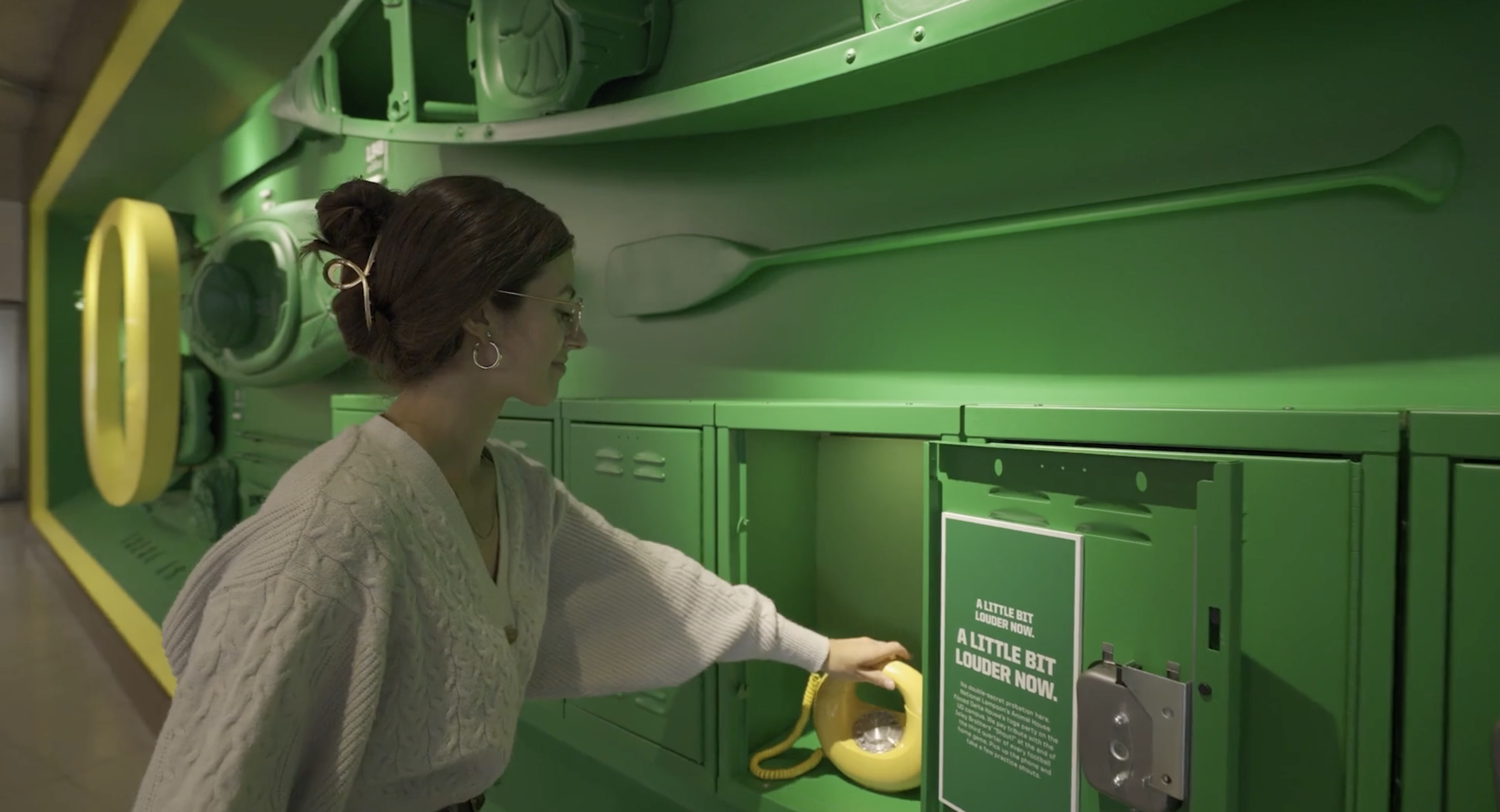
Captivate means interrupting autopilot. Fans arrive at your venue pre-loaded with expectations built from every forgettable experience they’ve had before. If you meet those expectations, you’ve confirmed what they already assumed. You need to break the script, create the unexpected moment that makes them put the phone down and pay attention. At the University of Oregon, we installed 15 closed lockers along the Welcome Center with no instructions and no prompting. Two-thirds of visitors open at least one. Half open all 15. Each locker contains something different, a vintage rotary phone playing the fight song, a baby Yoda, headphones with the sound of gameday at Autzen Stadium. The lockers don’t explain themselves. That’s the point. Curiosity is captivation.
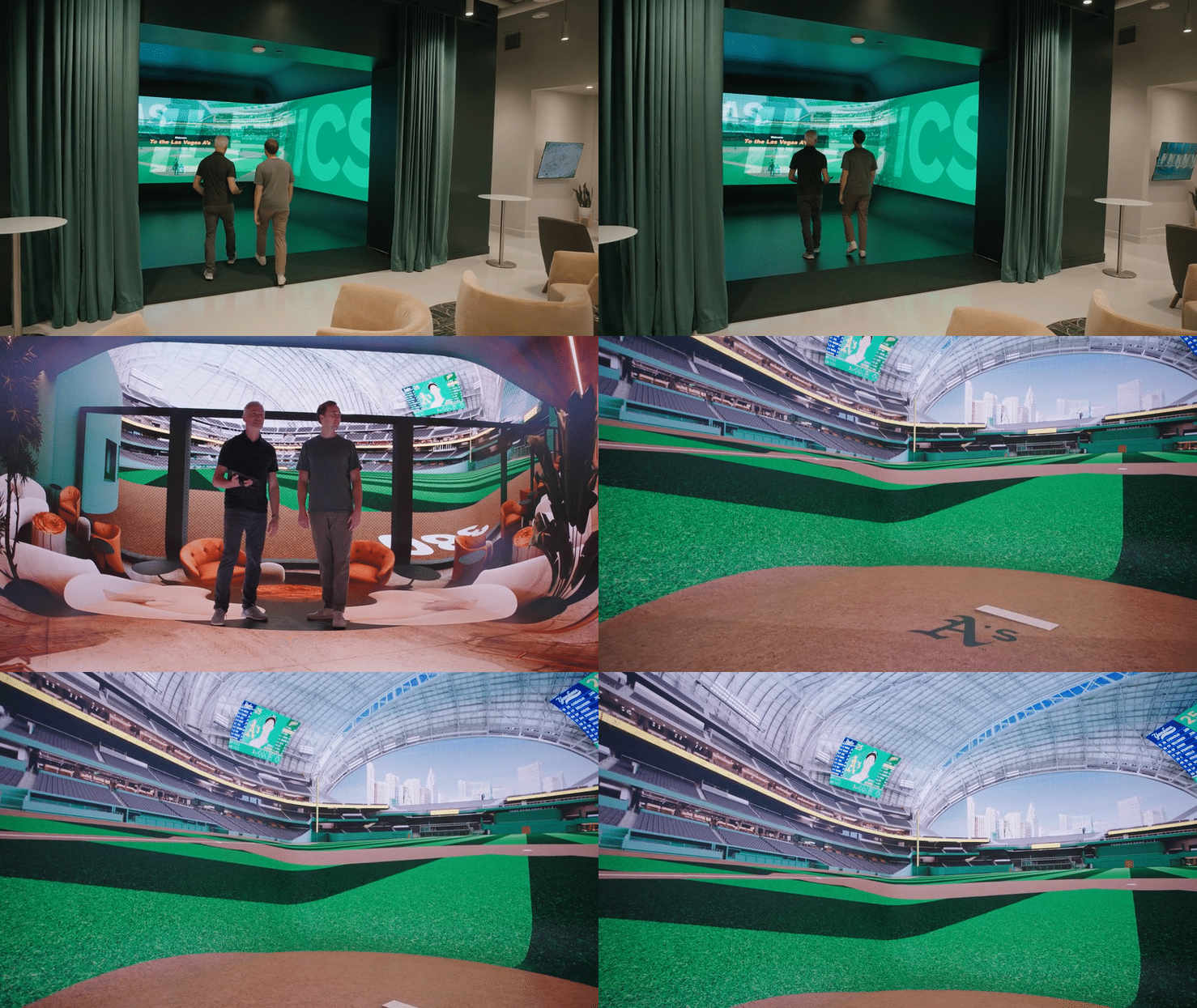
Amplify means taking the emotional DNA of a franchise and making it impossible to ignore, not by being louder, but by going deeper. When the Athletics needed to sell a ballpark that didn’t exist yet in Las Vegas, we built The Immersive Cube™: 13 feet tall, 19 feet wide, 26.5 million pixels covering every surface. You walk in and the ballpark assembles around you. The crowd, the lights, the Strip glittering beyond the outfield wall. Fans aren’t looking at a rendering. They’re standing in their future. That’s the difference between showing people a story and putting them inside one.
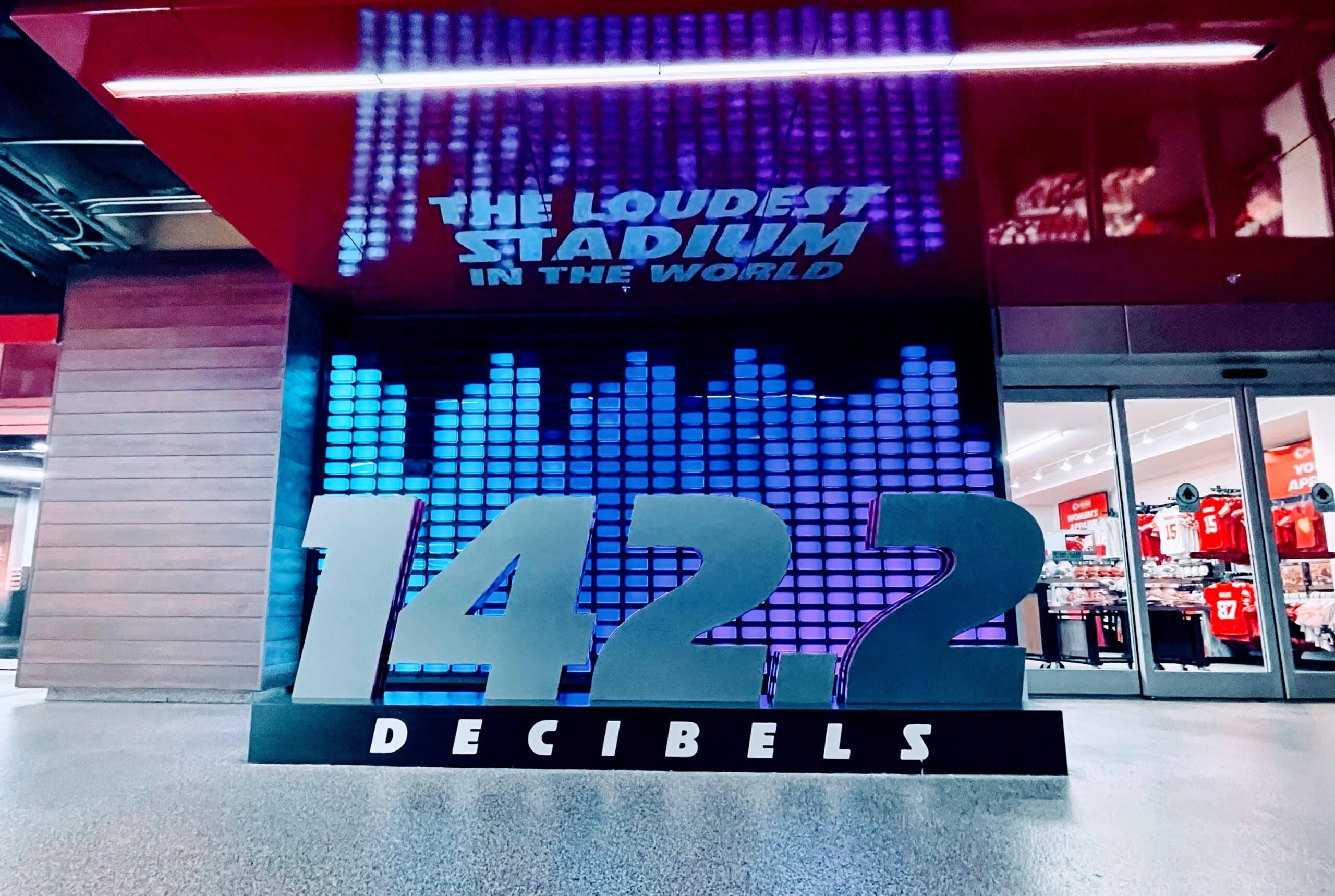
Resonate means designing for emotion without manufacturing it. At Arrowhead, we installed a noise meter outside the Hall of Honor entrance that measures the actual decibels reverberating through the stadium on gameday. No emotional music. No sentimental narration. Just a scientific confirmation of what Chiefs fans already believed about themselves: that they are the loudest fans in the league. Authentic resonance doesn’t push emotion onto people. It creates conditions where their own feelings rush in.
Empower means trusting fans to co-create the experience rather than scripting it for them. The Heisman trophies at USC’s Heritage Hall have no glass cases, originally a budget decision, one that turned out to be the best design choice we never planned. Visitors started mirroring the famous Heisman pose. Hundreds of thousands of those photos exist now. No one asked them to. No signage directed them. The absence of a barrier was the only invitation needed.

Three Questions Worth Asking
Oprah Winfrey once reflected on 30 years of interviews, presidents, celebrities, people in crisis, people in triumph, and identified three questions that every human being is silently asking of every interaction: Do you see me? Do you hear me? Does what I say matter?
Those three questions are the actual framework for fan engagement strategy. Not as a philosophical exercise, but as a practical design filter. Every experience you create should be tested against them. Does this moment make a fan feel seen? Does it communicate that their presence, their history with this team, their identity as part of this community has been heard? Does it signal that their investment, of money, time, emotion, loyalty, matters to the organization?
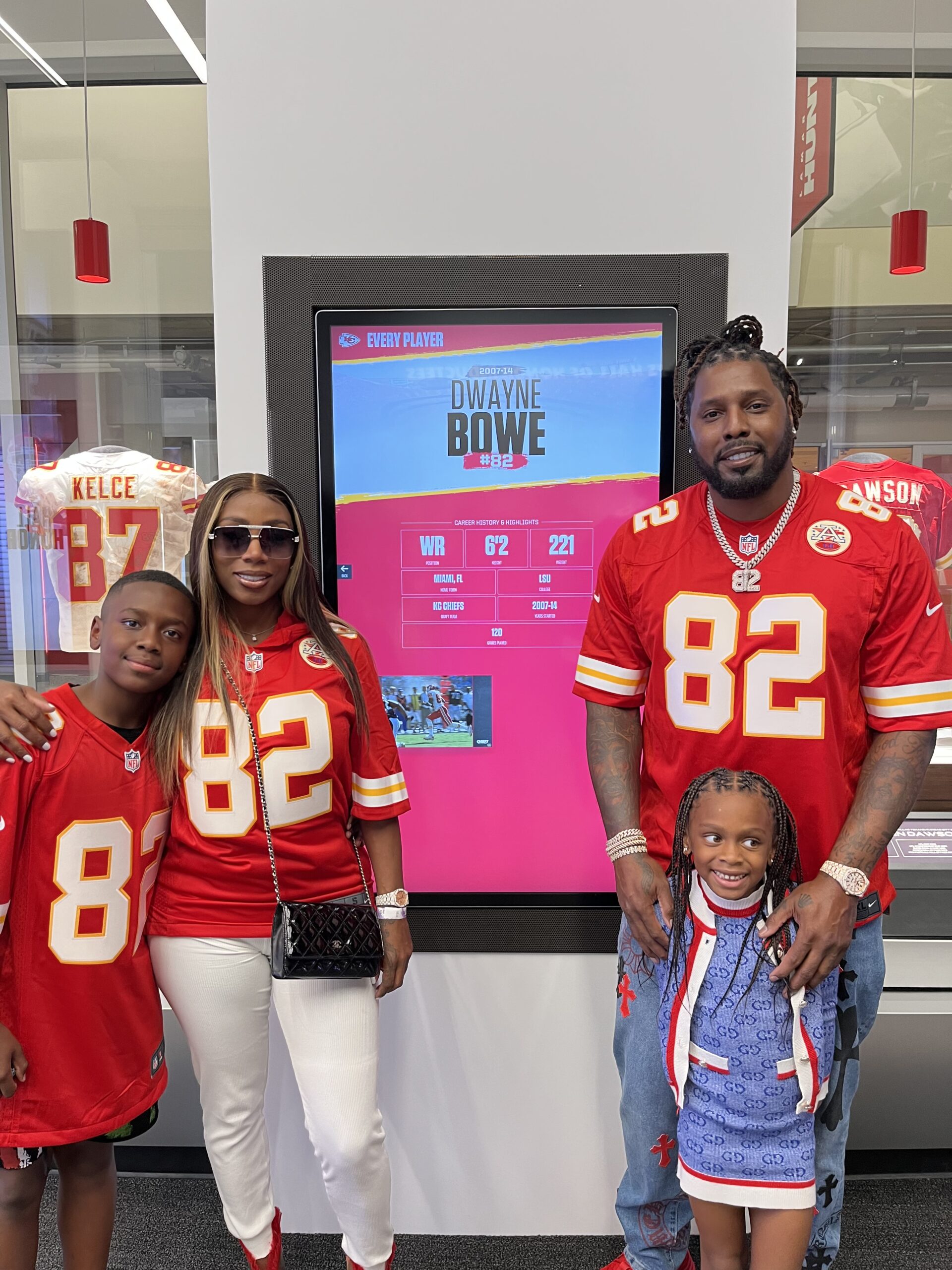
When we transformed the Chiefs Hall of Honor, we created a digital experience called ‘Every Player, Every Game’, built to include every single player who ever suited up for the franchise, whether they rode the bench or won a Super Bowl. The idea wasn’t to celebrate only the legends. Every person who contributes to something wants to know they mattered. Former players come back with their families, sometimes decades later, and find their name. They stand there and show their kids. ‘That’s me. I was here.’
That’s engagement that outlasts any marketing campaign. It outlasts winning seasons. It becomes part of the story those families tell about themselves.
A Note on Technology
Every conversation I have with sports organizations eventually turns to technology. What’s the latest in immersive experience? What can AR or AI do for fan engagement? How do organizations use LED environments or interactive installations?
Technology matters. It really does. We build some of the most sophisticated experience environments in the industry. The Immersive Cube in Las Vegas runs on 26.5 million pixels and a proprietary content management system that adapts in real time based on who’s in the room. A corporate sponsor sees their future suite. A season ticket holder sees their specific section. An out-of-town buyer sees flight information for game weekends.
But technology isn’t the point, is it? It’s the amplifier.
The most emotionally powerful installation we’ve ever created was relatively inexpensive. It’s a bronze sword embedded in a column at USC, at the end of the path every Trojan athlete walks on the way to practice. No screens. No sensors. No interactivity. Just a sword in stone, carrying the weight of a legend every player knows. An NFL player told me he touched it every day for four years. The day he got drafted, he drove back to campus and touched it one more time. ‘It knew before I did,’ he said.
A $3,000 sword produced that. Meanwhile, It’s not about a big budget. It’s whether the experience asks people to participate in a story, or just observe one.
Where to Start
Before any activation, any campaign, any new installation, the work that produces durable fan engagement begins with listening. Not surveys or focus groups, those tend to produce the answers people think you want. Genuine one-on-one conversations, where the question isn’t ‘what do you think of our fan experience?’ but ‘tell me about a moment when this team mattered to you in a way that had nothing to do with the score.’
Then be quiet. Let the silence sit. The answers that come after a long pause are the ones that matter. They’re where the real brand lives, not in your mission statement, not in your brand guidelines, but in the stories your fans carry.
At Advent, we call this process StoryMining, and it’s the foundation of every project we do. It’s how we helped FC Barcelona sell 90% of its premium inventory, 20 VIP suites and 96 boxes, before a single brick was laid on the new Spotify Camp Nou. Buyers didn’t make that commitment based on floor plans. They made it because we put them inside opening night before it existed. They felt it first. The contract came after.
That sequence, feel first, decide second, is how fan engagement actually works. Not as a theory, but as a neurological fact. The organizations that understand this, and build their experience strategy around it, are the ones creating fans who show up regardless of the standings, who bring their children and then their grandchildren, and who consider the team’s story inseparable from their own.
That’s what engagement looks like when it’s working. Not an impression count. A bond.

For over 25 years, Advent has been creating emotionally resonant experiences for leading brands including AT&T, Fanatics, the Dallas Cowboys, and Stanford University. Our proprietary StoryMining methodology ensures that every project starts with the story, not the technology.